Conservation Ambassador Program
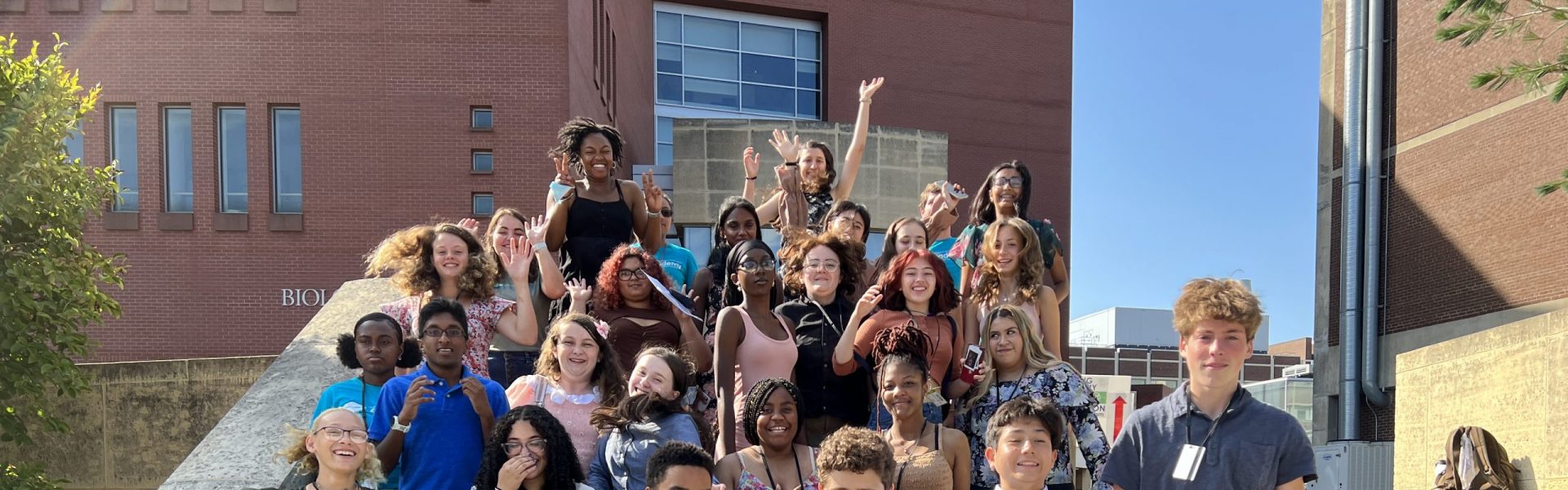
10-month program for high school students (grades 9-11) interested in exploring the environment or making a difference in their community. The program includes a one-week field experience at UConn and an community environmental action project.
APPLY NOW
About CAP
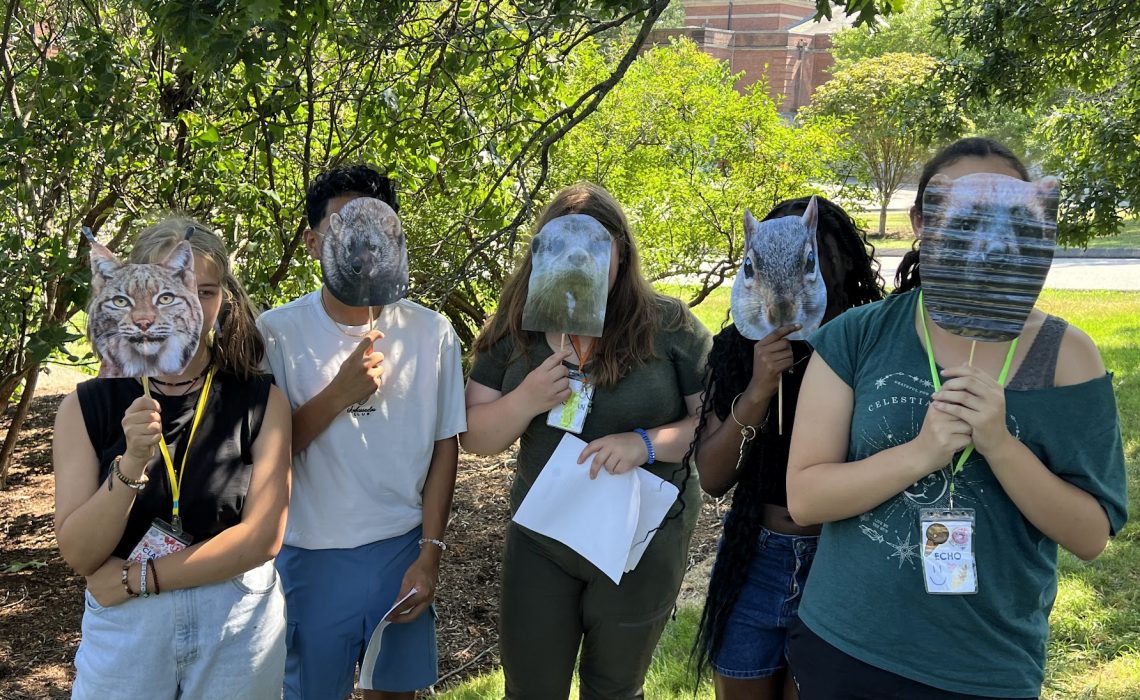
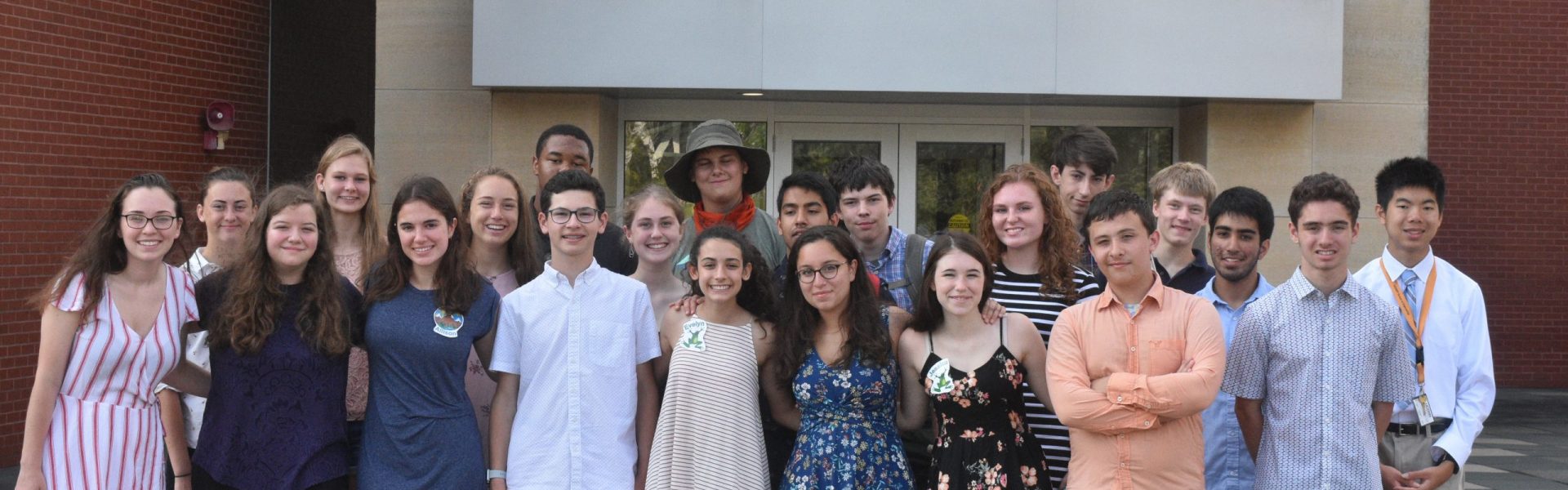
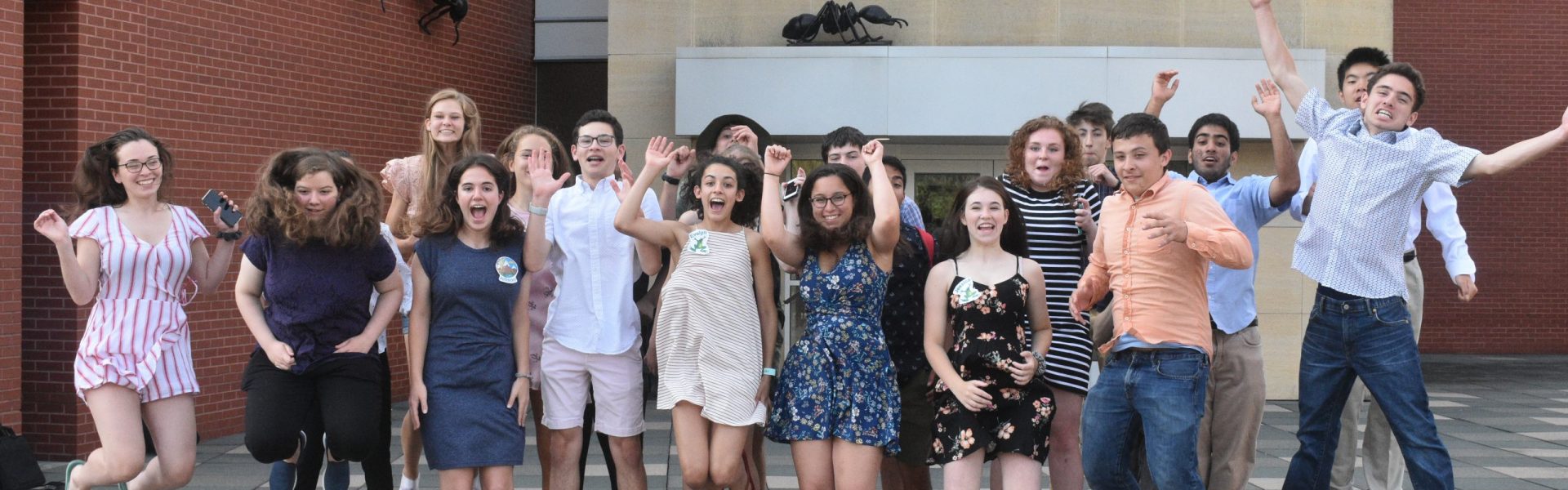
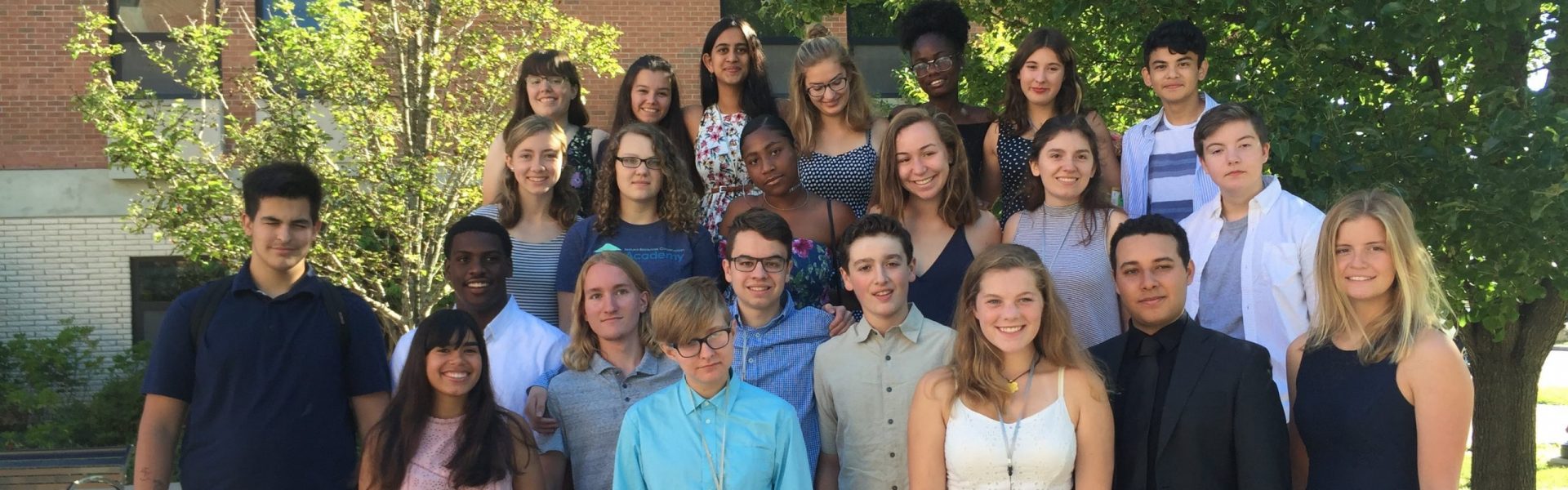
The NRCA Conservation Ambassador Program is great for high school students (grades 9 to 11) who want to enjoy the outdoors and be a changemaker in their community. Through a summer field experience at UConn and a community environmental action project, students will explore environmental topics in a fun, exciting, and hands-on way, and receive multi-layer mentorship support and resources as they carry out a community environmental action project and contribute to real community solutions!
El Programa de Embajadores de la Conservación es ideal para estudiantes de secundaria (de 9º a 11º curso) que quieran disfrutar del aire libre y ser agentes de cambio en su comunidad. A través de un campamento de verano en la UConn y un proyecto de acción ambiental comunitaria, los estudiantes explorarán temas medioambientales de una forma divertida, emocionante y práctica, y recibirán apoyo y recursos de mentores de varios niveles mientras contribuyen a soluciones comunitarias. Si necesita información sobre el programa en español, envíe un correo a laura.cisneros@uconn.edu.
Important Dates
| Date | Event |
| April 20, 2026 | Application Due
Complete this short online application |
| May 4, 2026 | Applicants Notified of Acceptance
Sent to your email used in application |
| June 1, 2026 | Enrollment Forms Due
Mailed to your address used in application |
| June 21-27, 2026 | Summer Field Experience
At UConn Storrs Main Campus |
| July, 2026 - April, 2027 | Environmental Action Project
In your community or town |
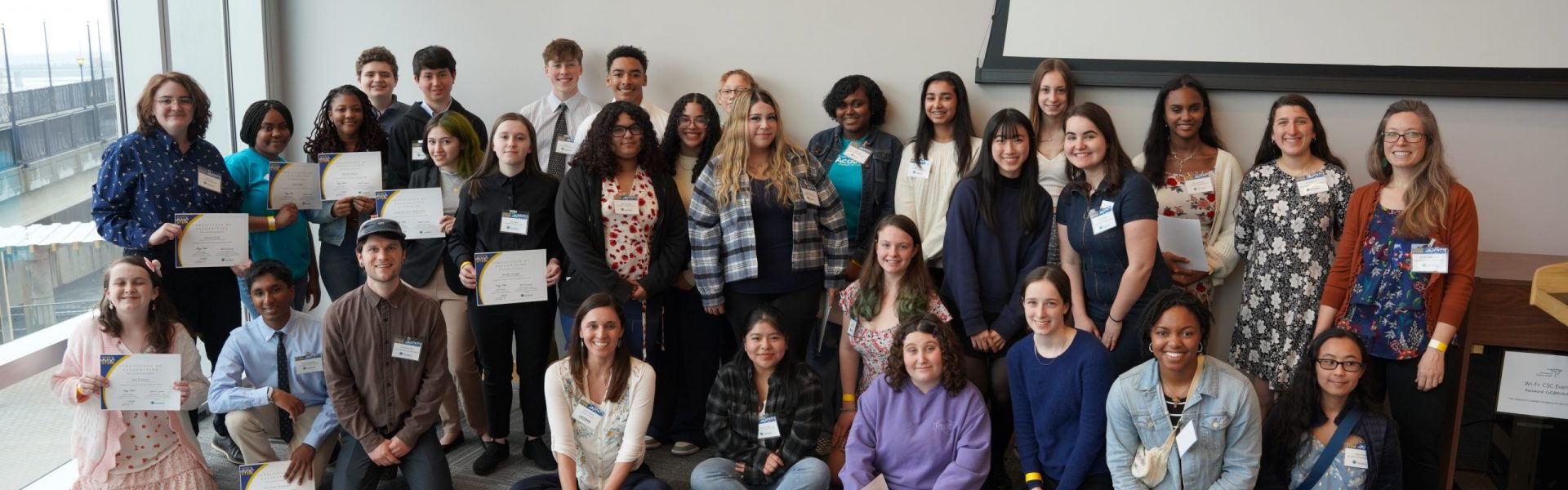
| April, 2027 | Showcase Your Project
At UConn or CT Science Center (see 2026 showcase flyer) |

Program Elements
Do you want to enjoy the outdoors and be a changemaker? Join the Conservation Ambassador Program!
Summer Field Experience
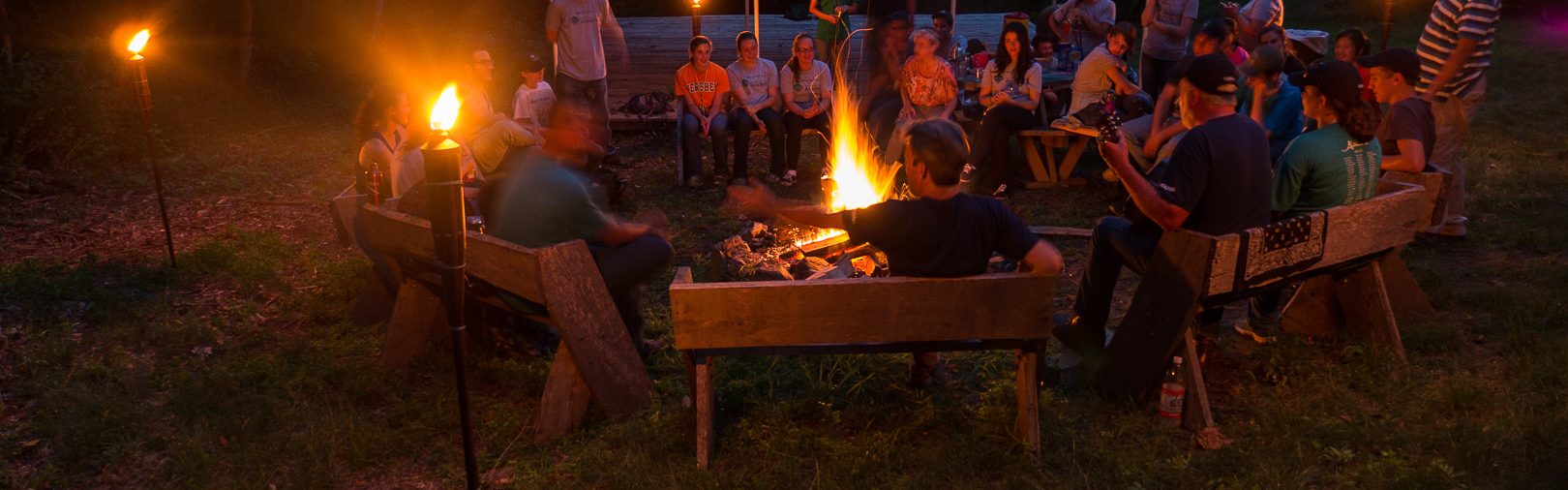
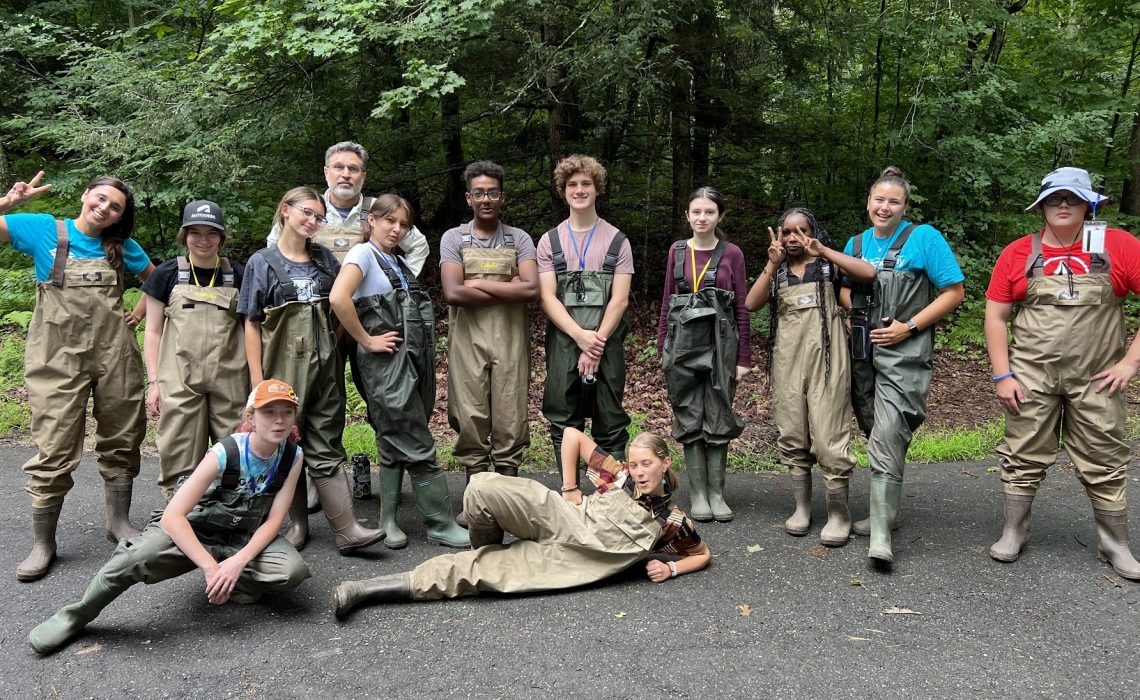
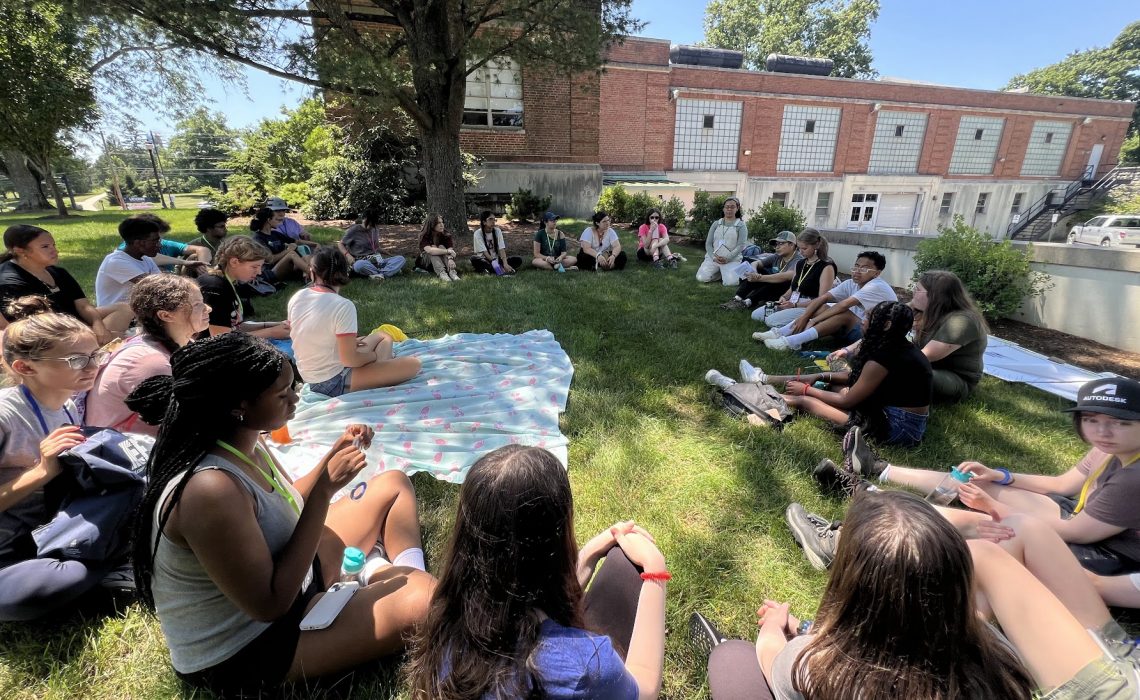
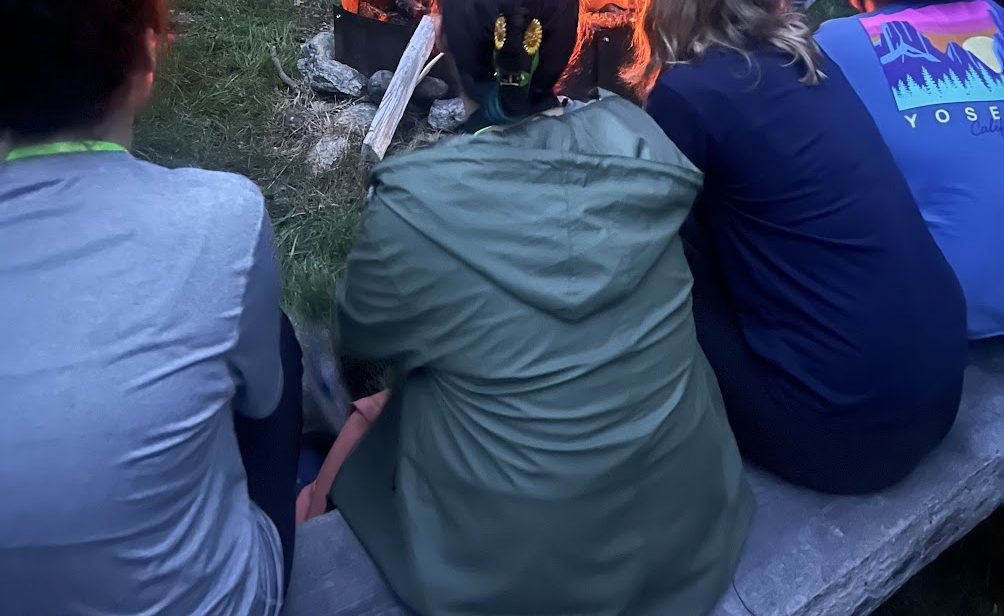
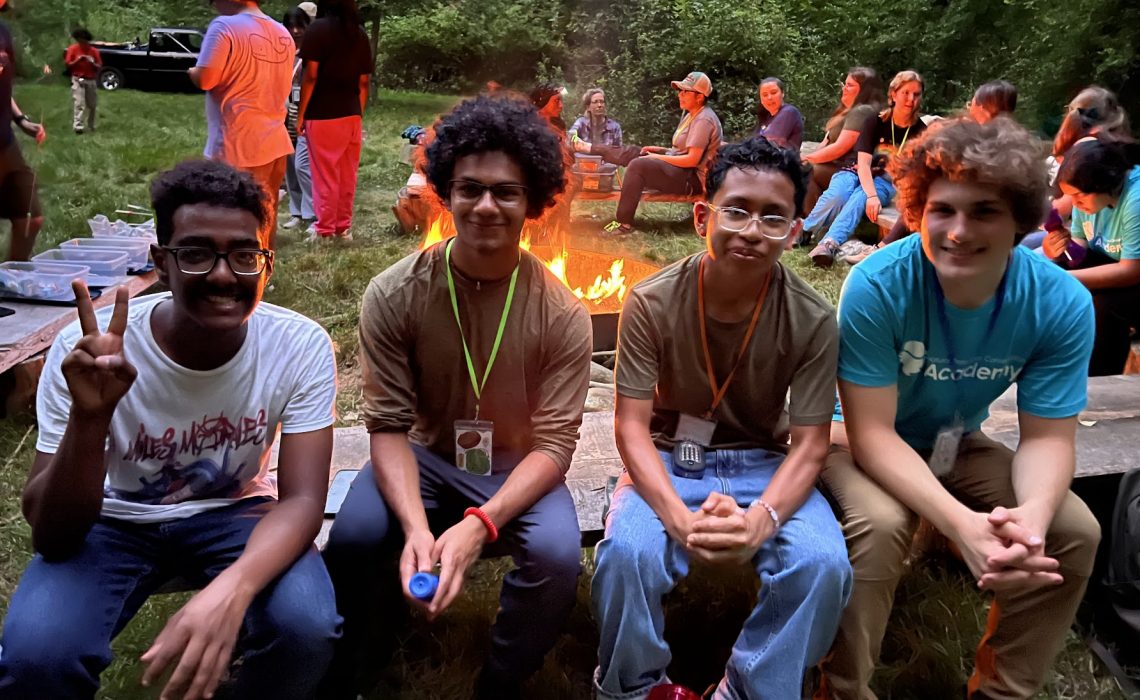
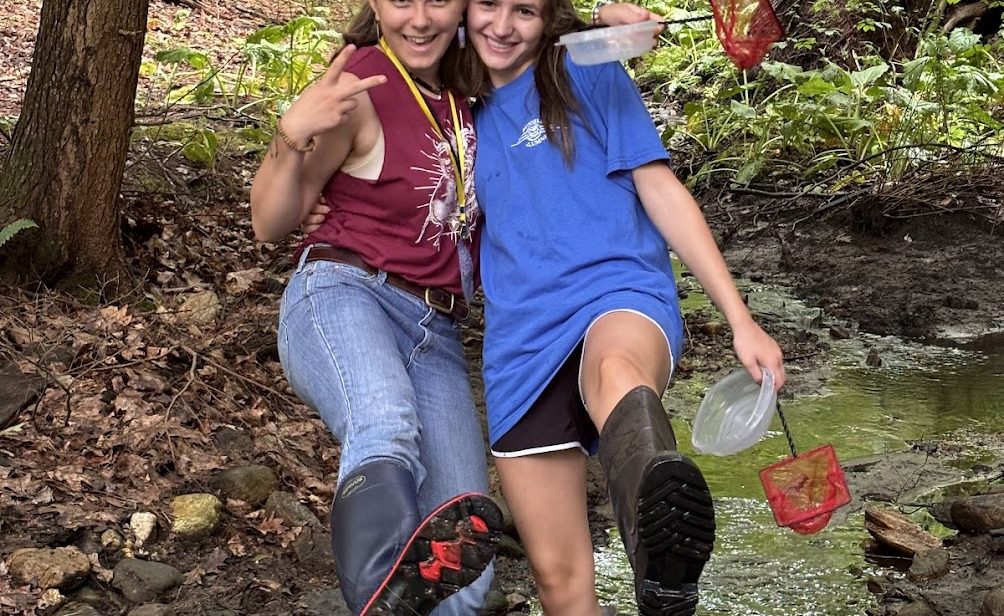
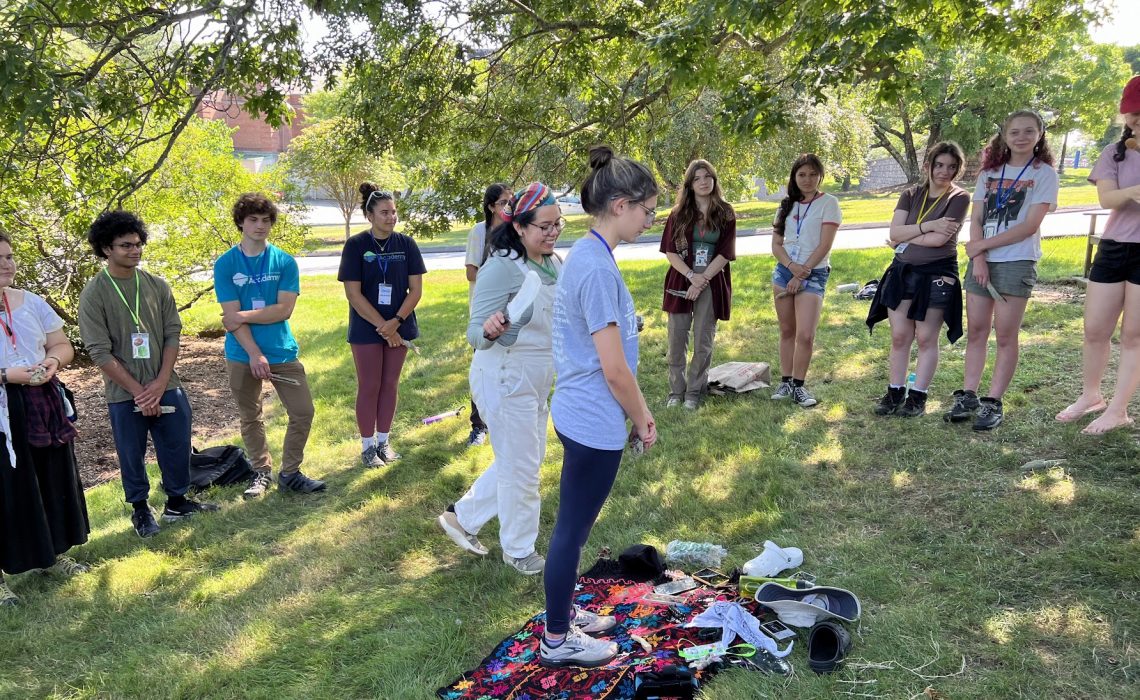
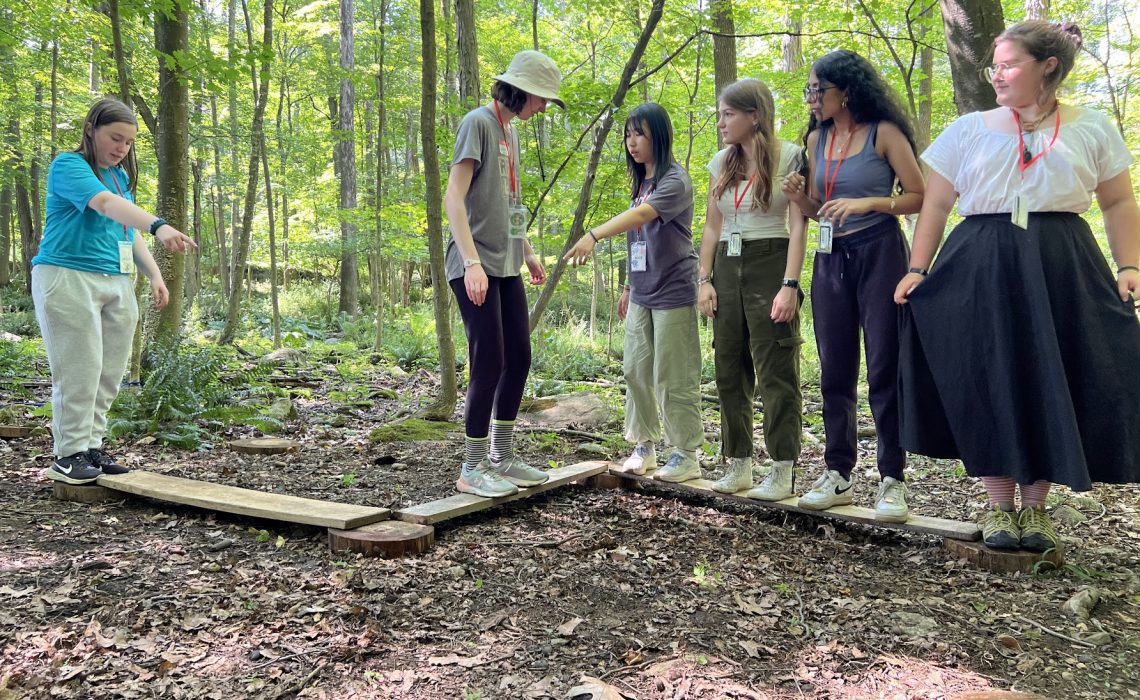
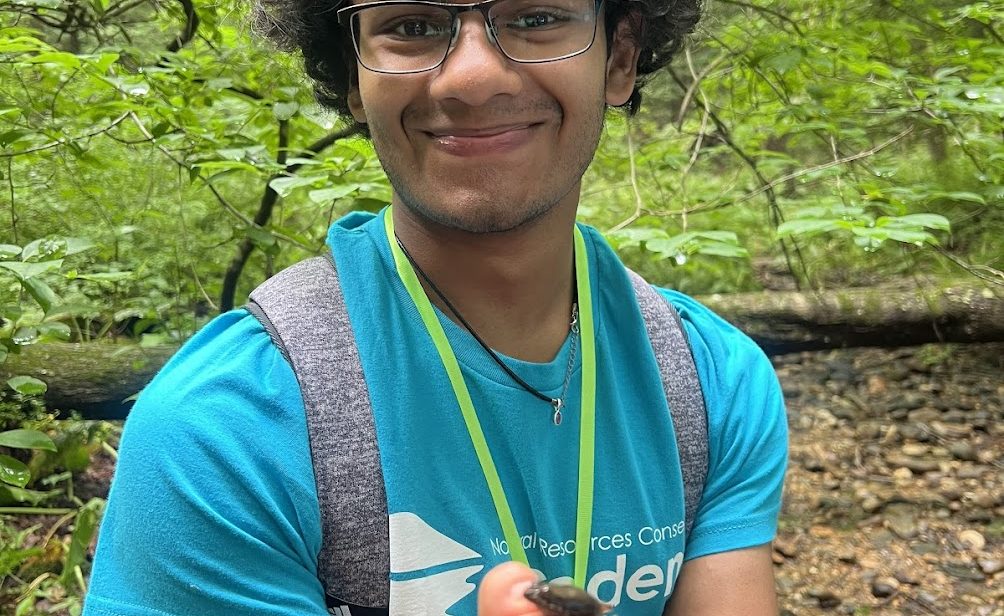
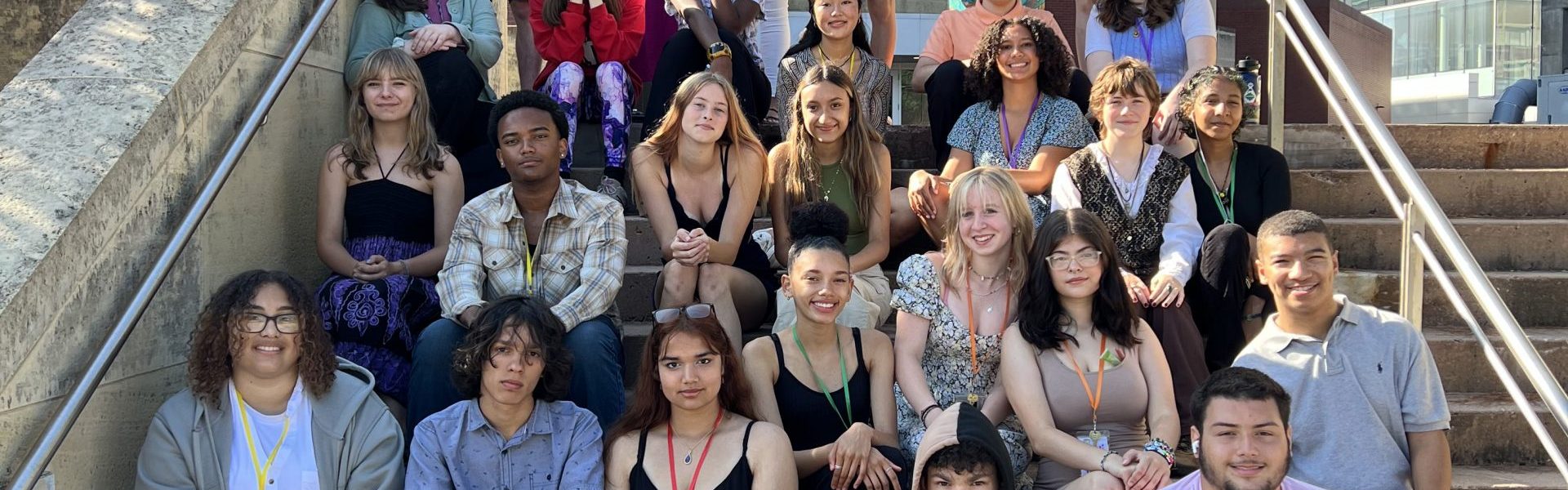
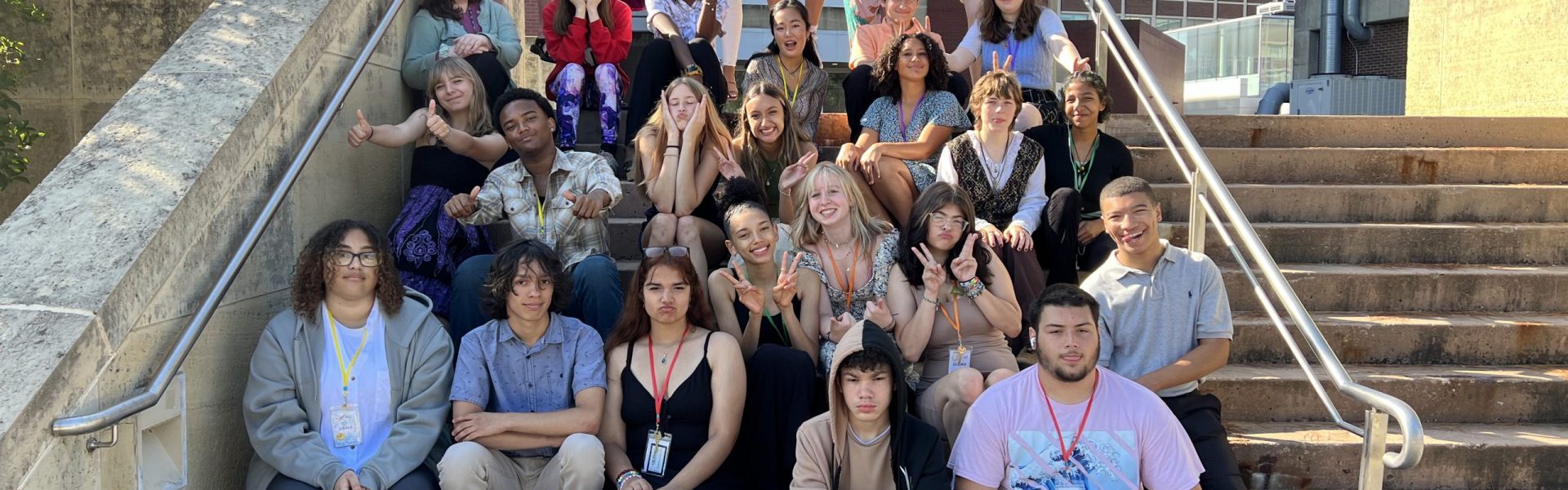
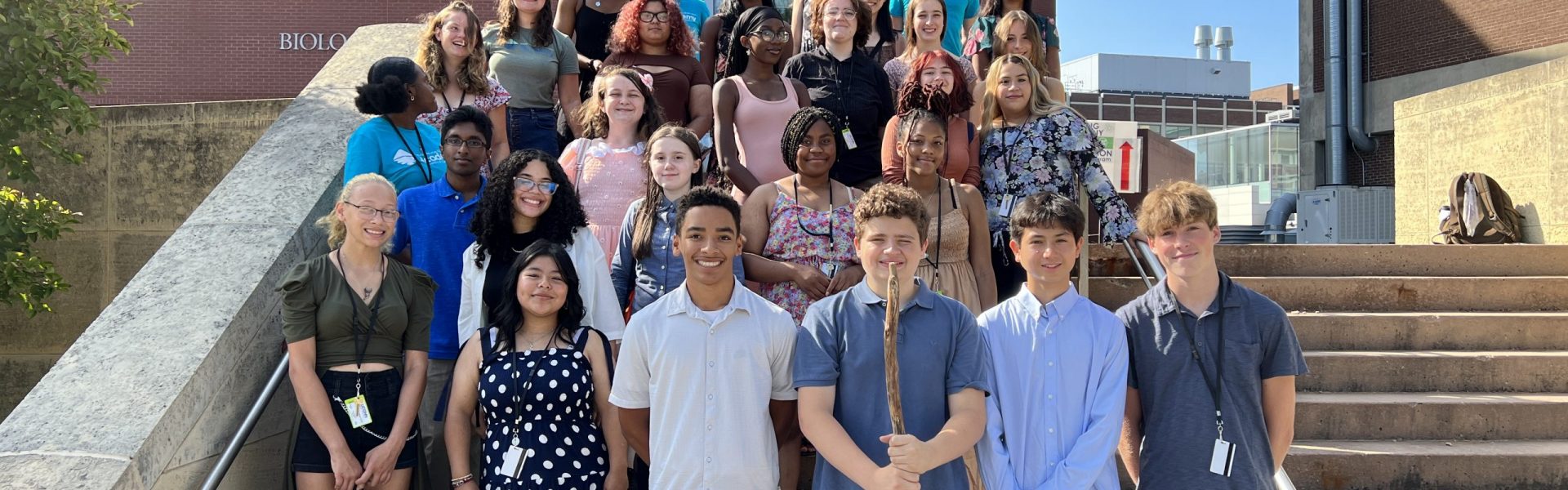
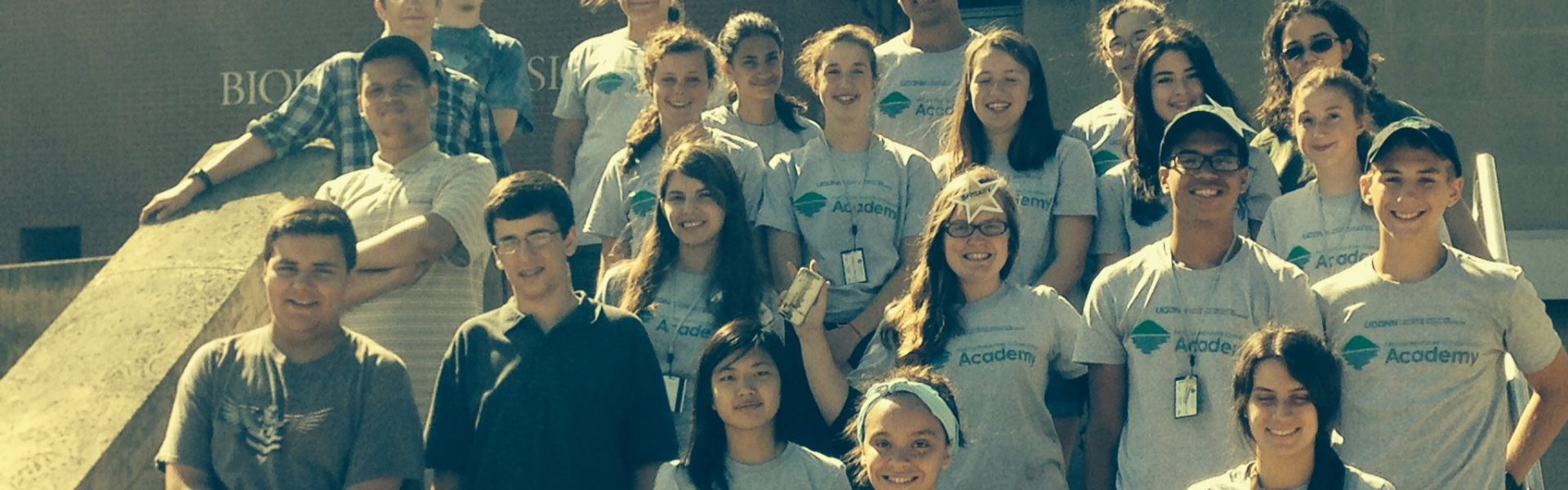
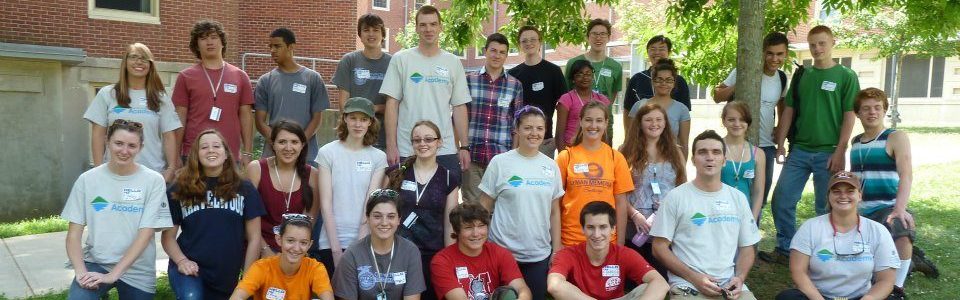
Spend a week in June at UConn exploring environmental topics like forestry, wildlife, and mapping. Stay in dorms and get a taste of campus life, including Dairy Bar ice cream! Enjoy fun activities like BBQs, lake swimming, campfires, and more!
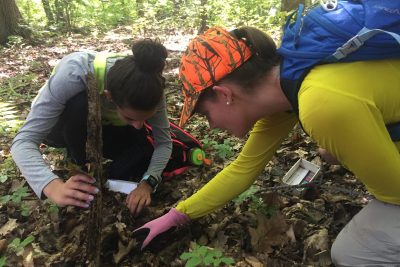
Environmental Action
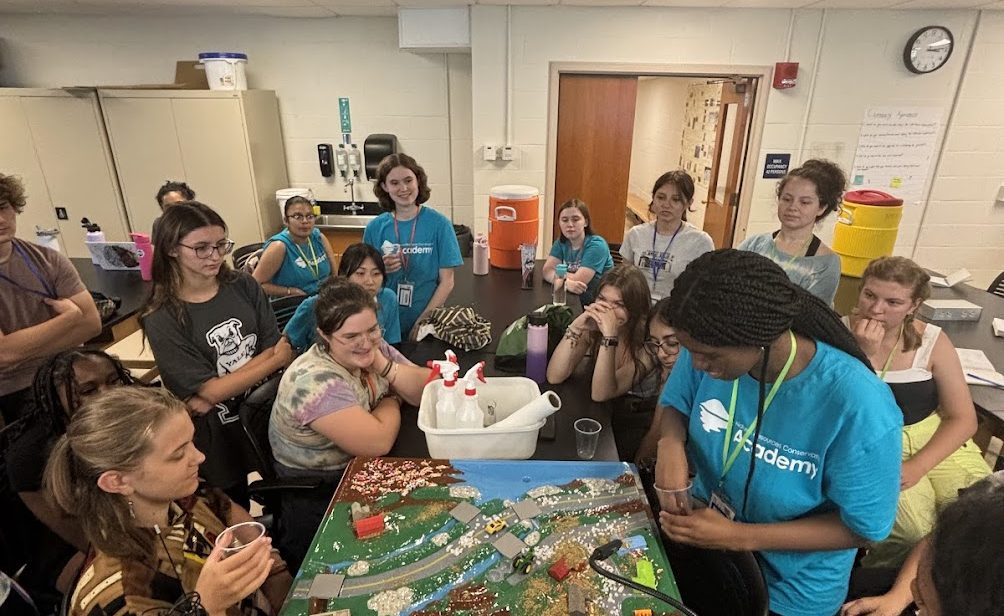
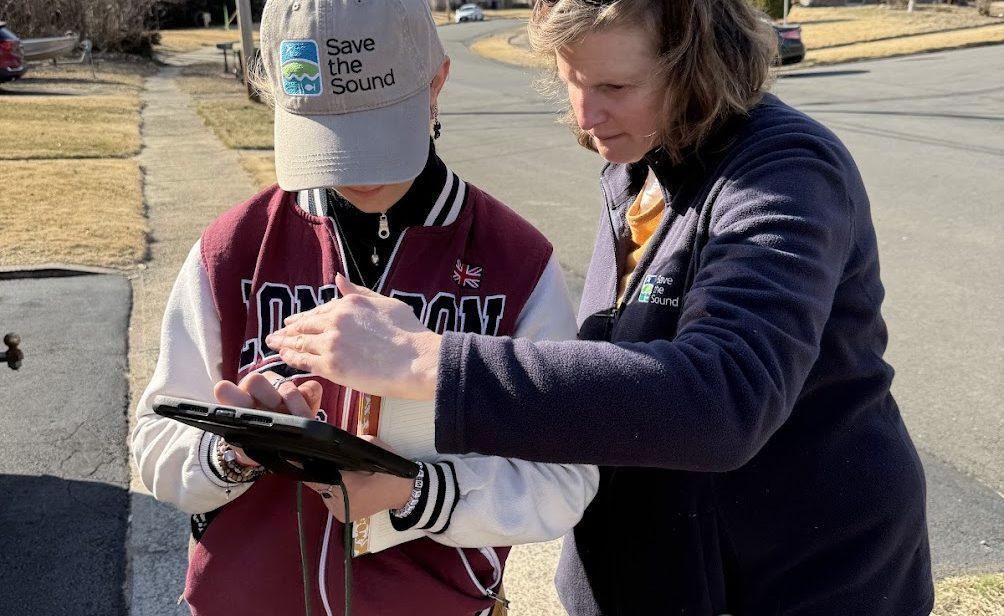
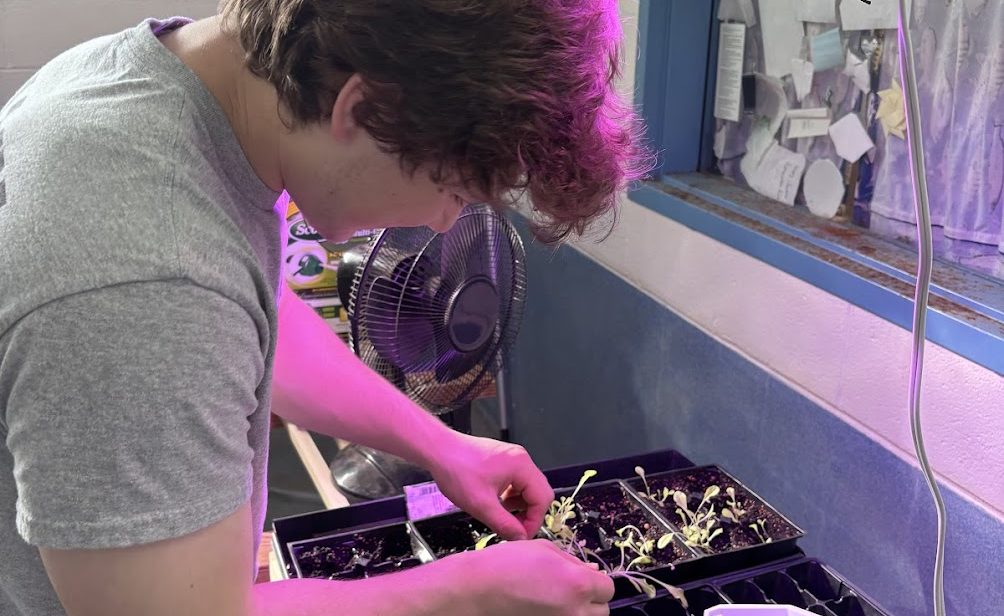
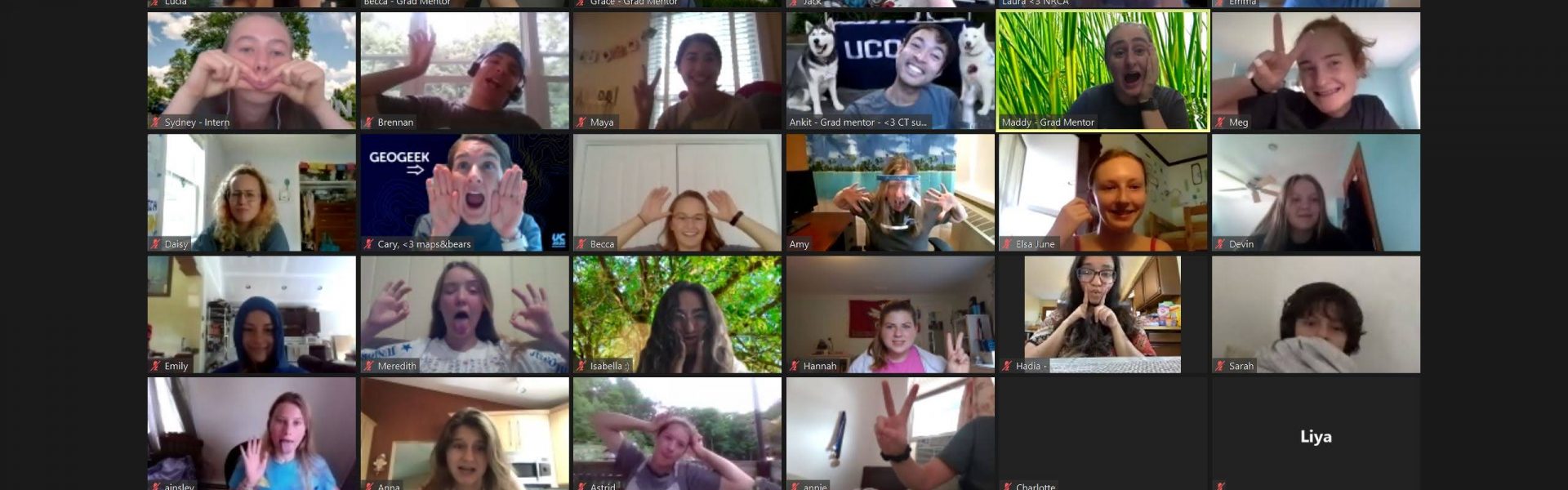
Apply new skills gained from the field experience to an environmental effort that benefits your community. Get support from a UConn undergraduate near-peer mentor and adult community partner as you carry out an environmental action project from July to April.
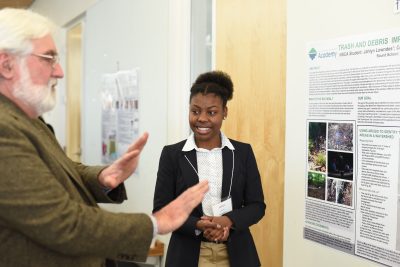
Showcase Your Accomplishments
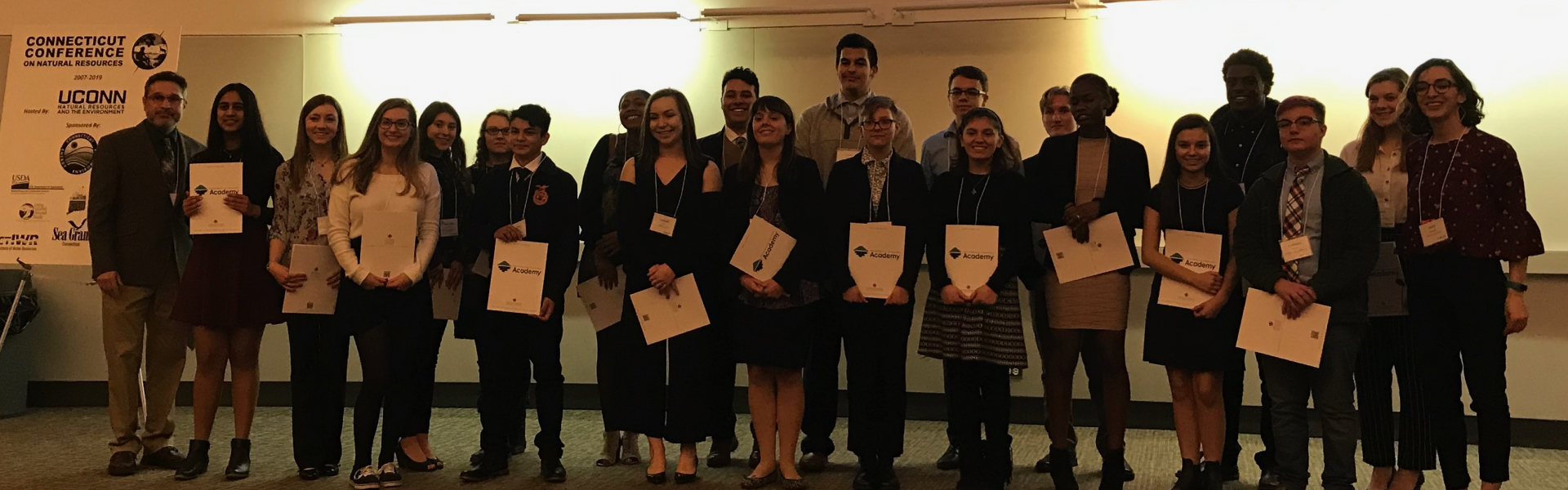
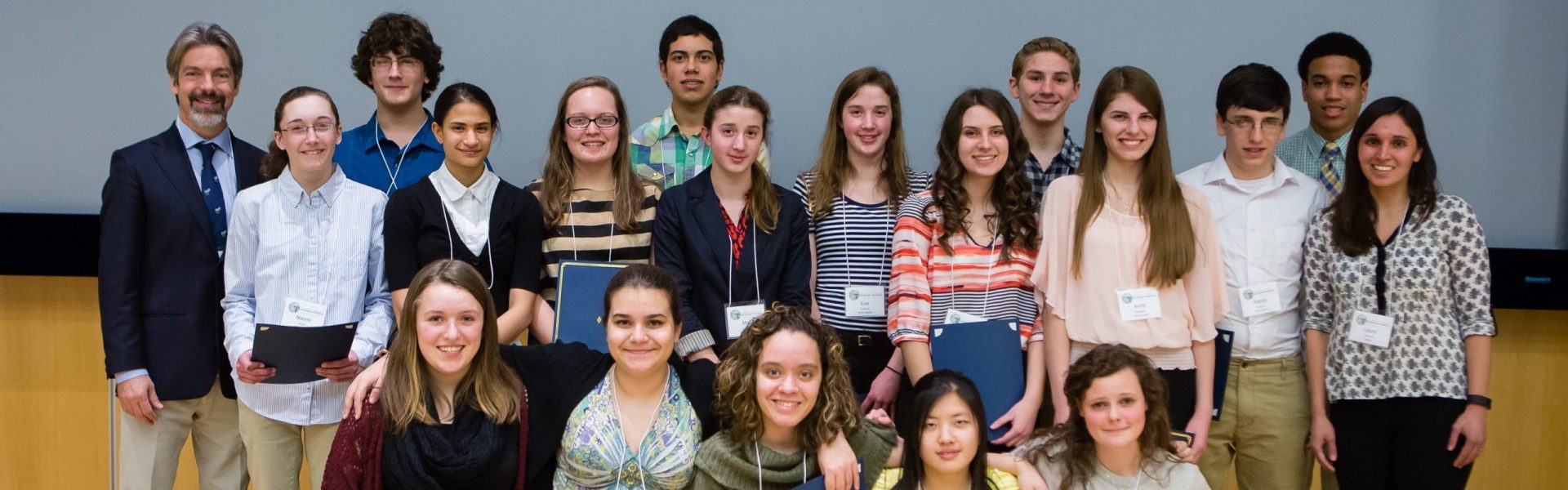
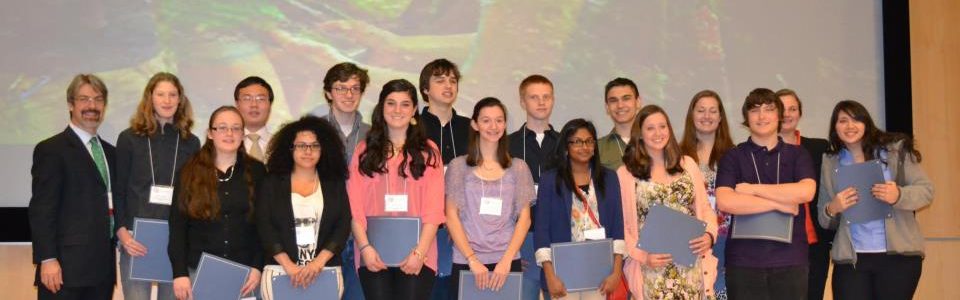
Share your environmental action project at the Environmental Changemaker Showcase in the spring. This is a fantastic opportunity to develop public speaking skills, network with environmental professionals, and be celebrated for your efforts.
Learn More about Topics Taught in CAP
Remote Sensing, GPS & Orienteering
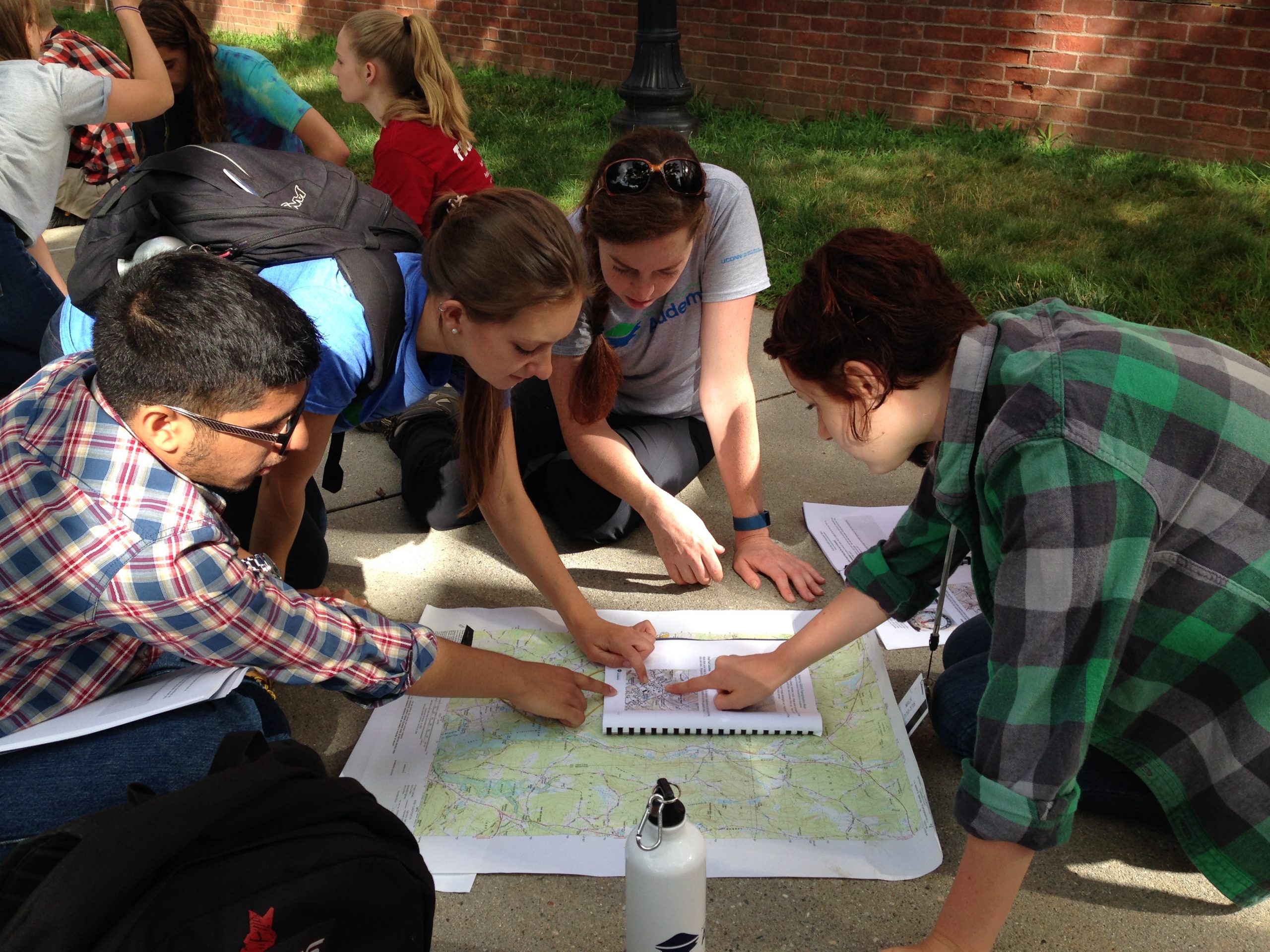
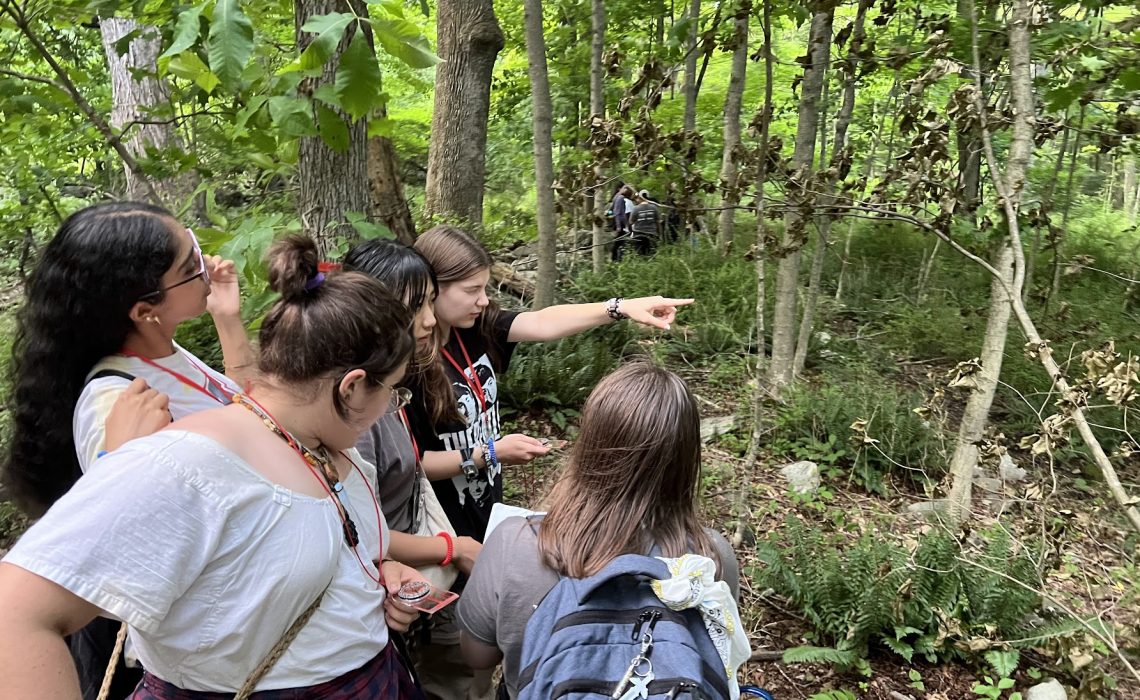
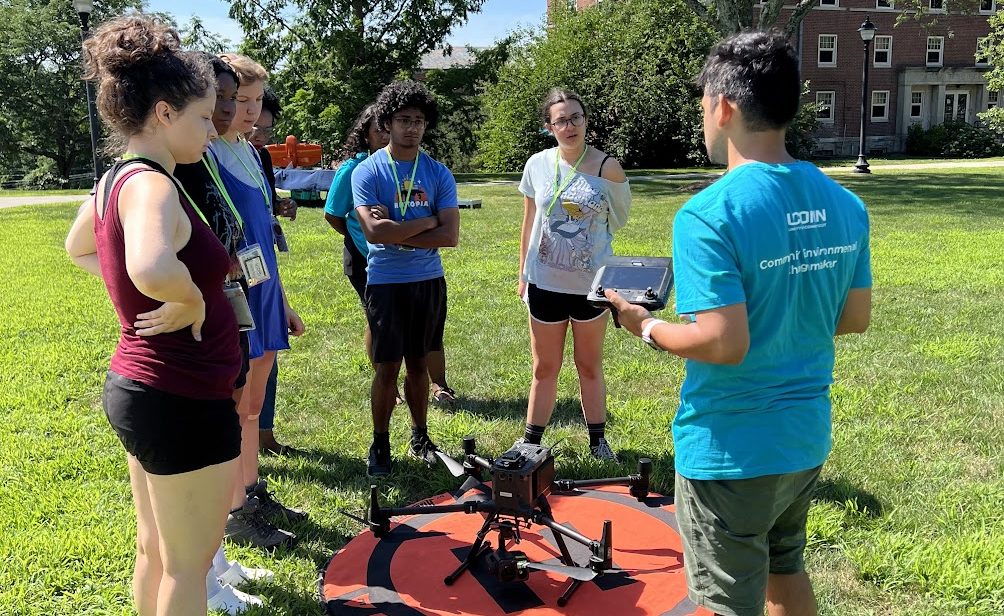
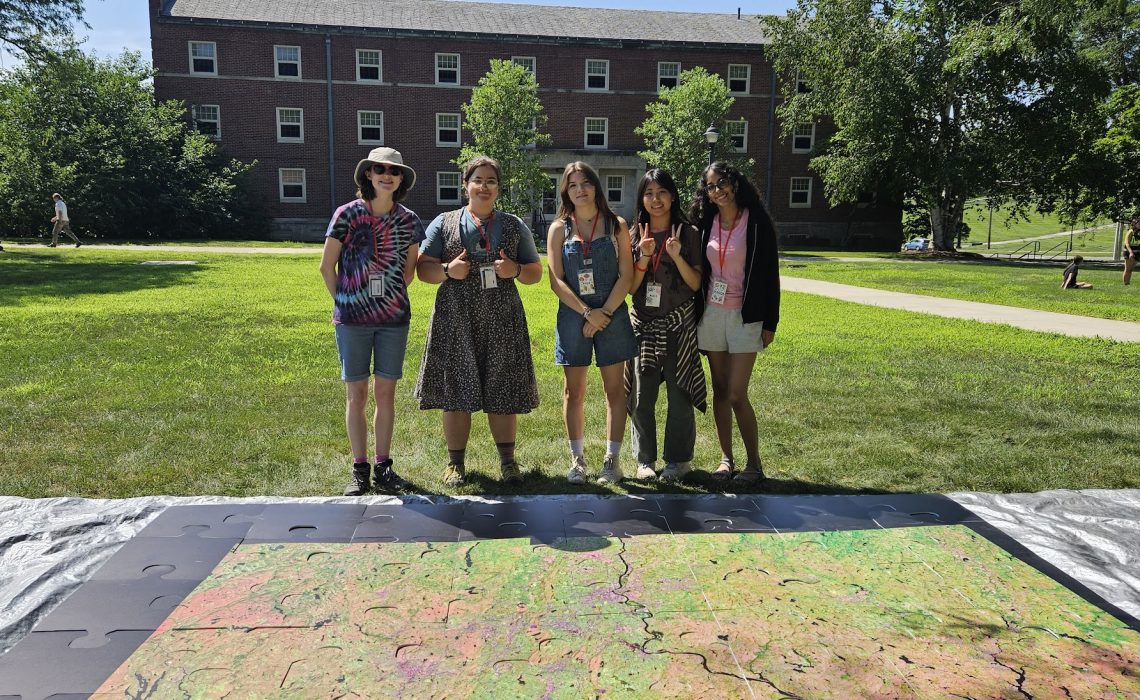
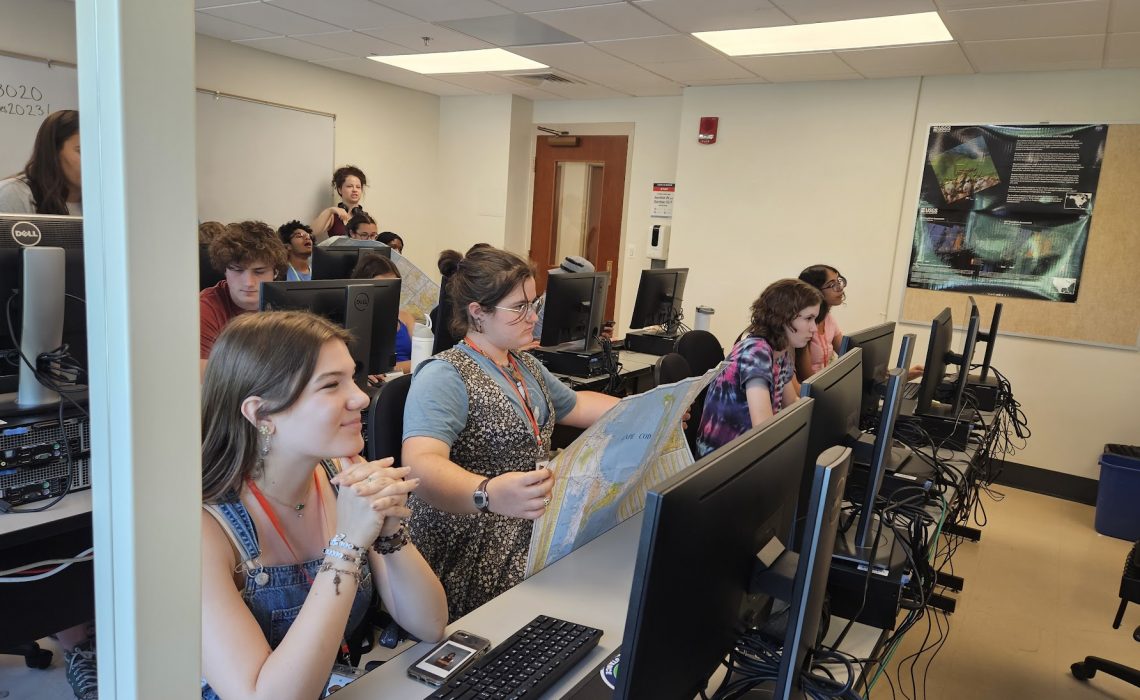
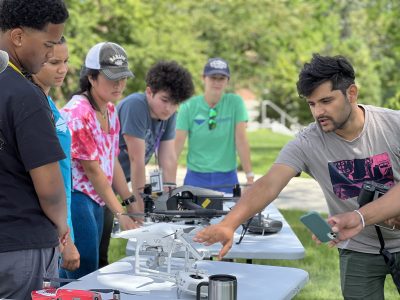
Description: Geospatial technologies such as Geographic Information System (GIS), Global Positioning System (GPS) and Remote Sensing (RS) technologies play a very important role in conservation and natural resources management. Such technologies can increase the efficiency and effectiveness of conservation programs and practices, and will serve as an underlying subject throughout the field experience. This first full day of the field experience introduces students to a range of mapping tools and techniques, and demonstrates the role that geospatial technologies play in conservation planning, implementation, and tracking. An overview of geospatial technology will be presented and the students will have a chance to participate in fun hands-on activities, such as paper map and compass orienteering and GPS geocaching.
Freshwater & Green Infrastructure
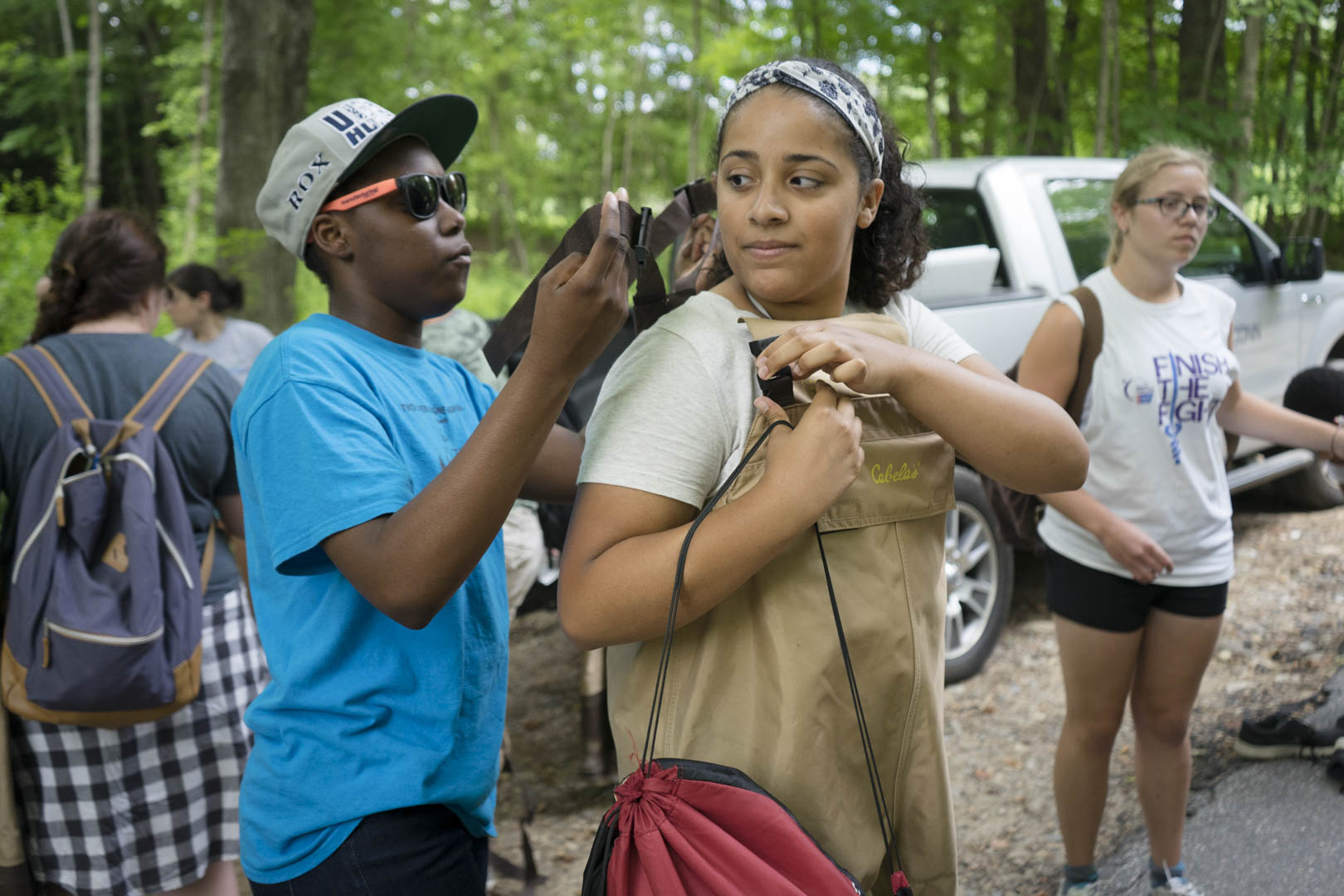
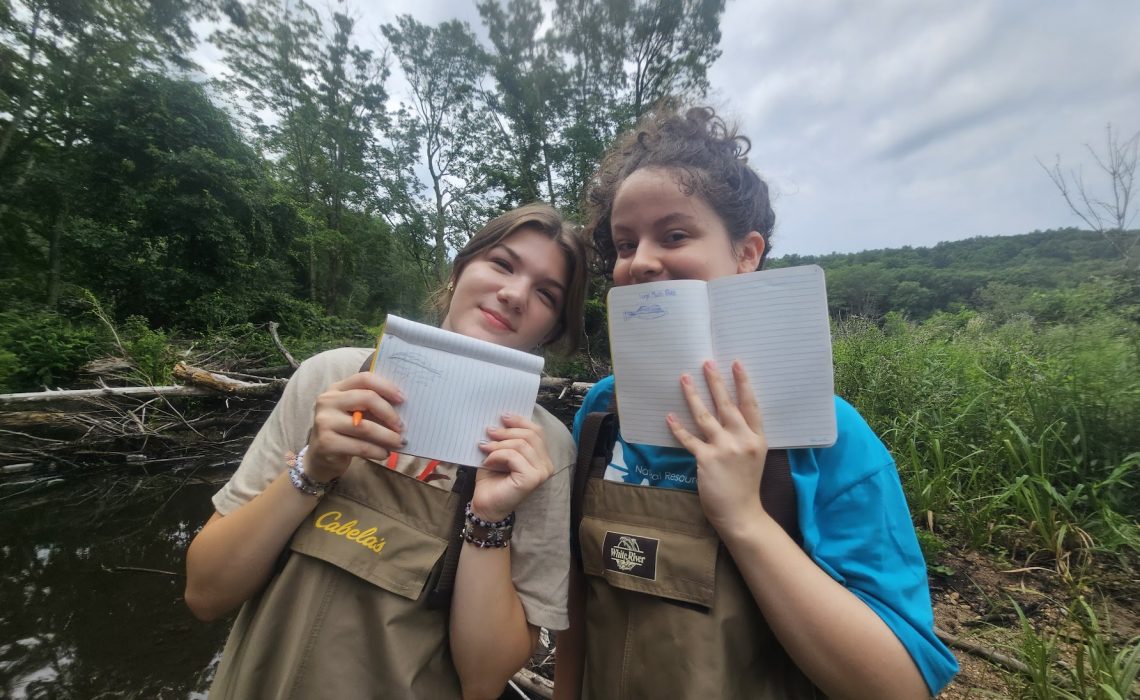
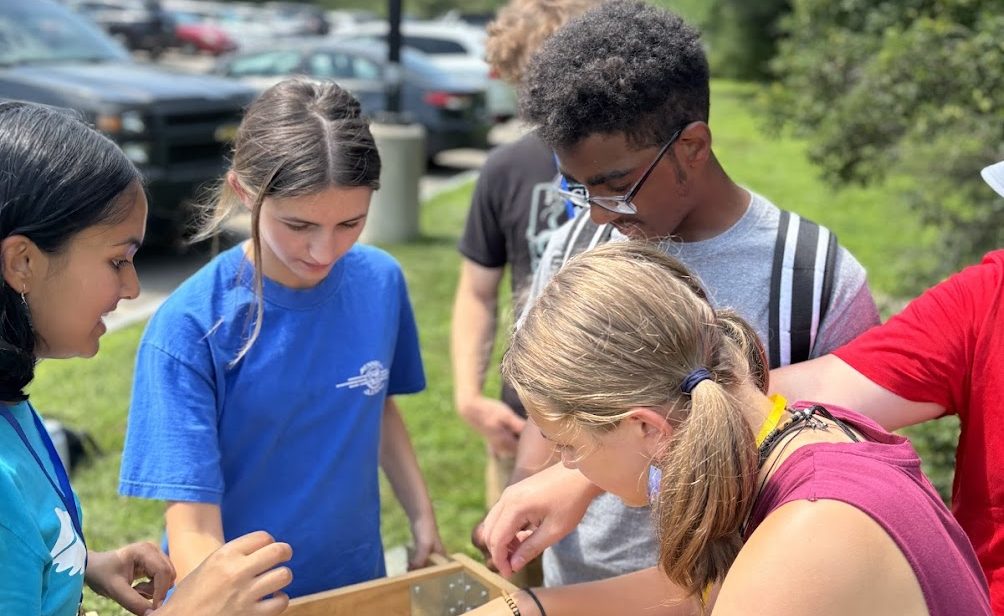
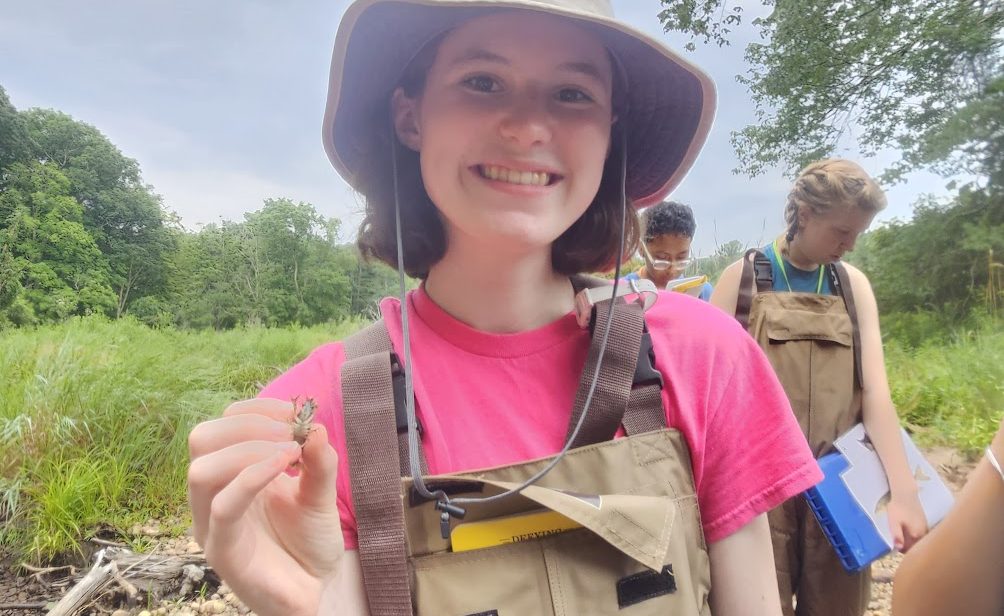
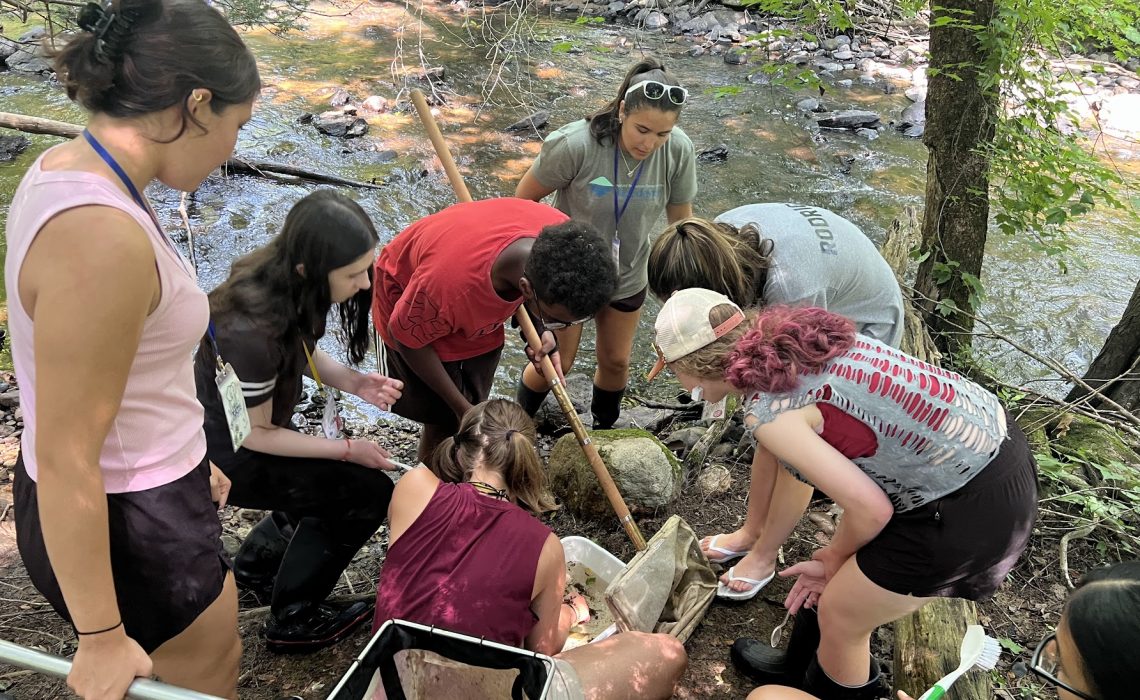
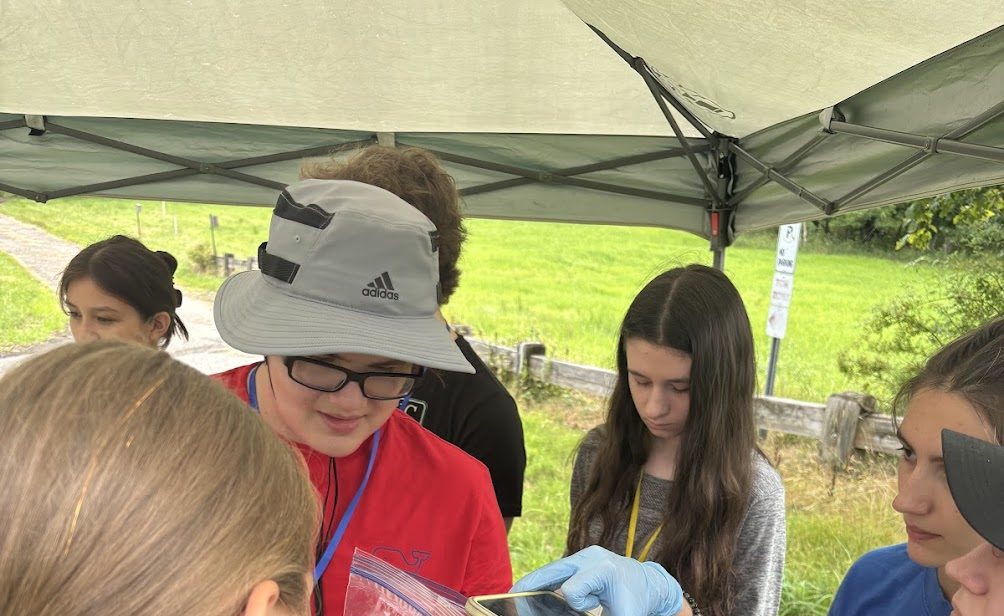
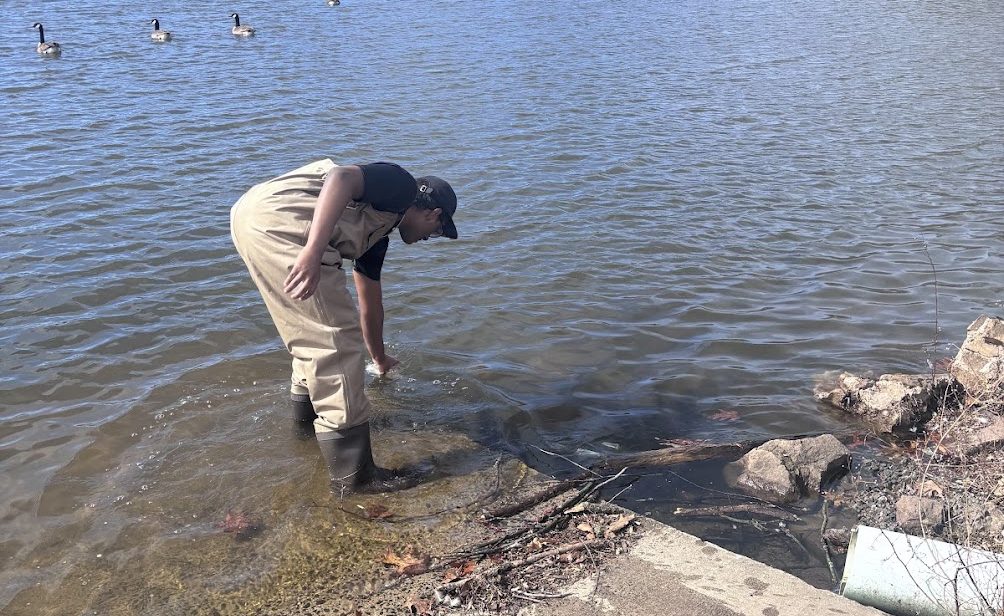
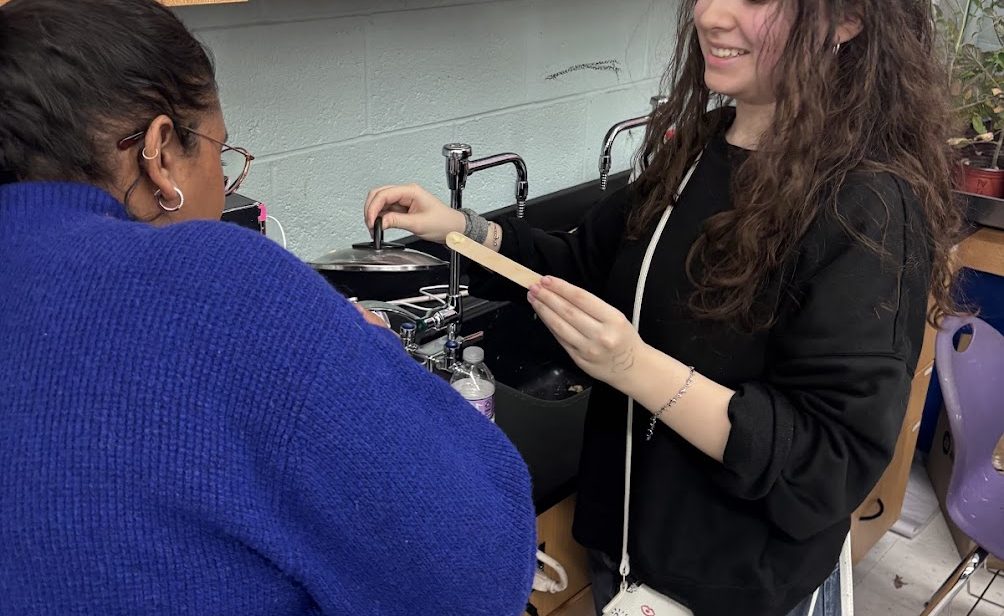
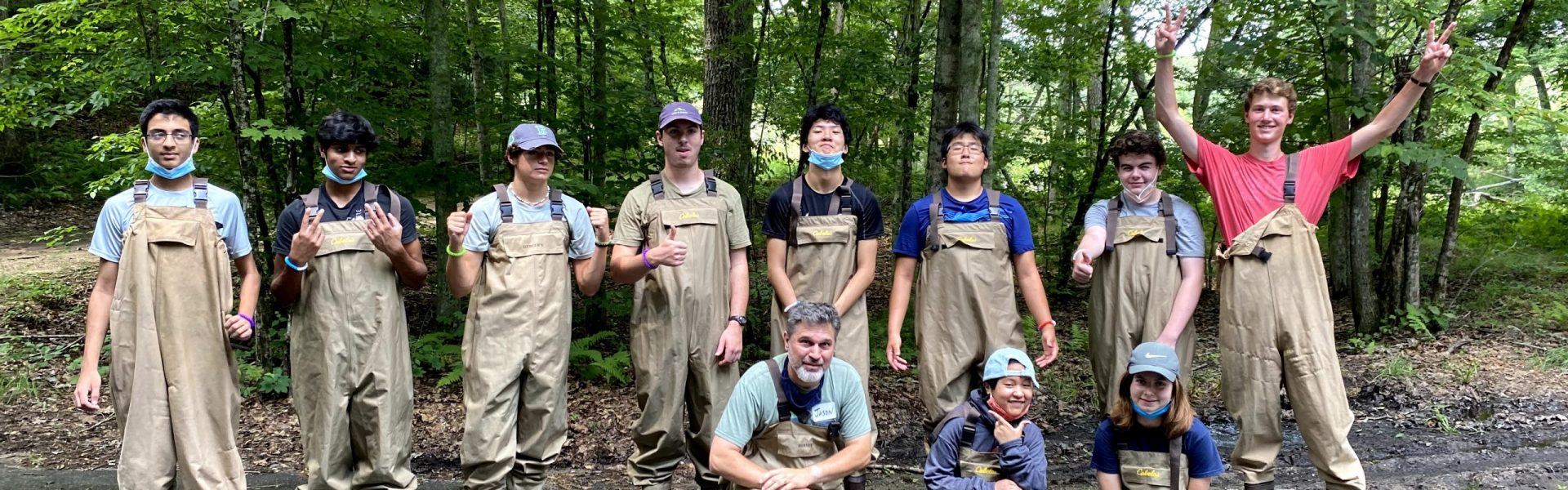
Description: Water is one of the most important resources on earth and is essential for life. Students will get in the water and learn how to measure flow in a stream, map a watershed, conduct a stream biotic survey, and sample parameters of a lake. Students will also learn about green infrastructure practices that reduce stormwater pollution, such as rain gardens, pervious pavements, and green roofs.
Forests & Soils
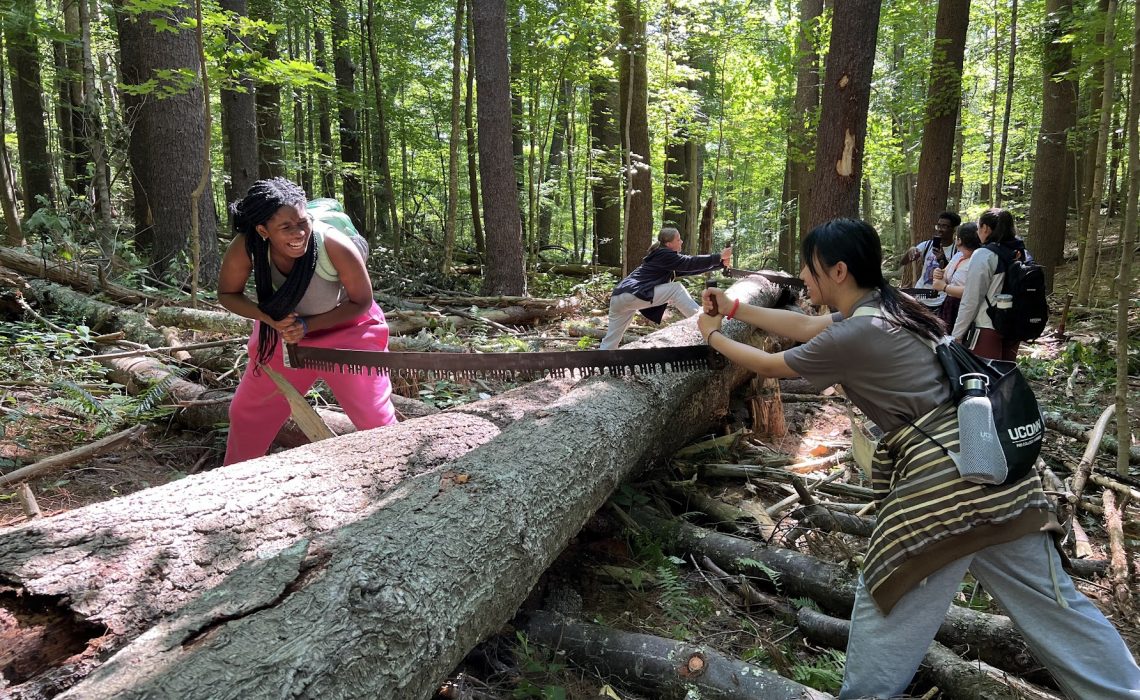
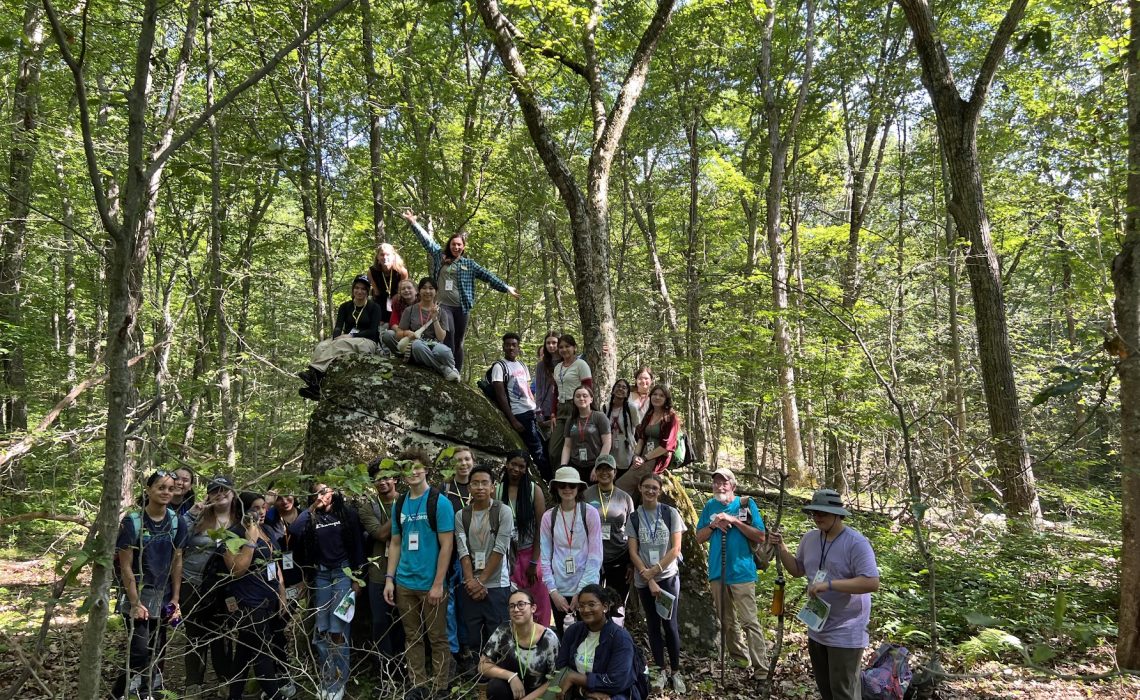
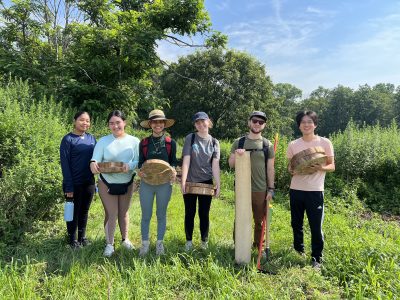
Description: By providing important ecosystem services and goods, such as wildlife habitat, clean water and air, recreation, timber, and scenic landscapes, forests play a vital role in human health, livelihoods, and well-being. Connecticut is 60% “forested” (i.e., covered with trees), but every year forest cover shrinks across the state. Most of the week is spent in and around the 2,100 acre UConn Forest, where students learn about sustainable forestry practices including management and conservation. Participants use newly acquired skills in paper map and compass orienteering and GPS technology to navigate large forest areas and different forest habitats.
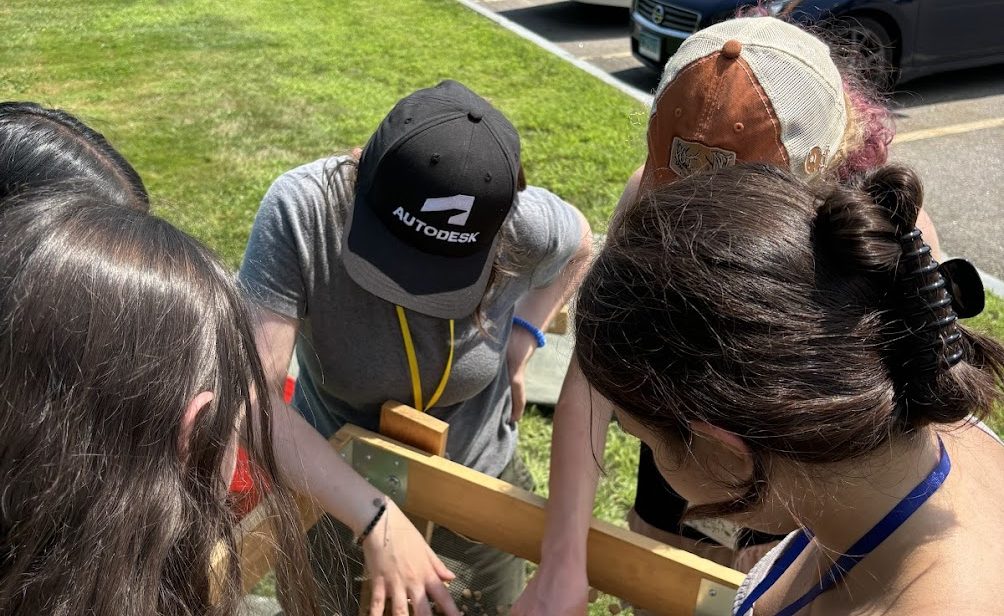
Description: Soils are the foundation for all life on Earth. Everything comes directly or indirectly from the soil. Soil is an integral natural resource in all cycles of the Earth, but many do not understand its significance. Students will get "dirty" in soil pits and learn about the properties, features, and interpretations of typical Connecticut soils.
Fish & Wildlife
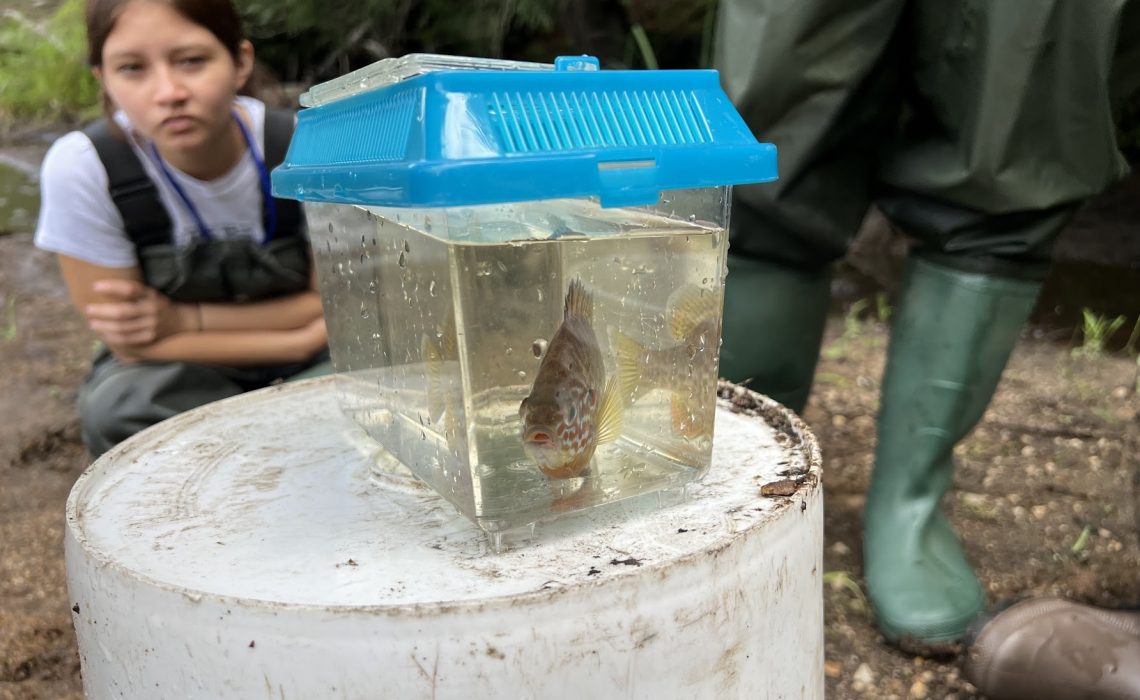
Description: Fish and wildlife are among the principal natural resources held in the public trust. While at the field experience, students will gain an appreciation for the tasks that fish and wildlife biologists undertake on a daily basis. Students will also participate in outdoor activities in and around the UConn Forest that demonstrate how data are gathered on fish and wildlife living in the forest. For example, students will join expert faculty and graduate students in tracking a wild creature with radio telemetry, seining for fishes, and measuring habitat quality.
Biodiversity in the Night
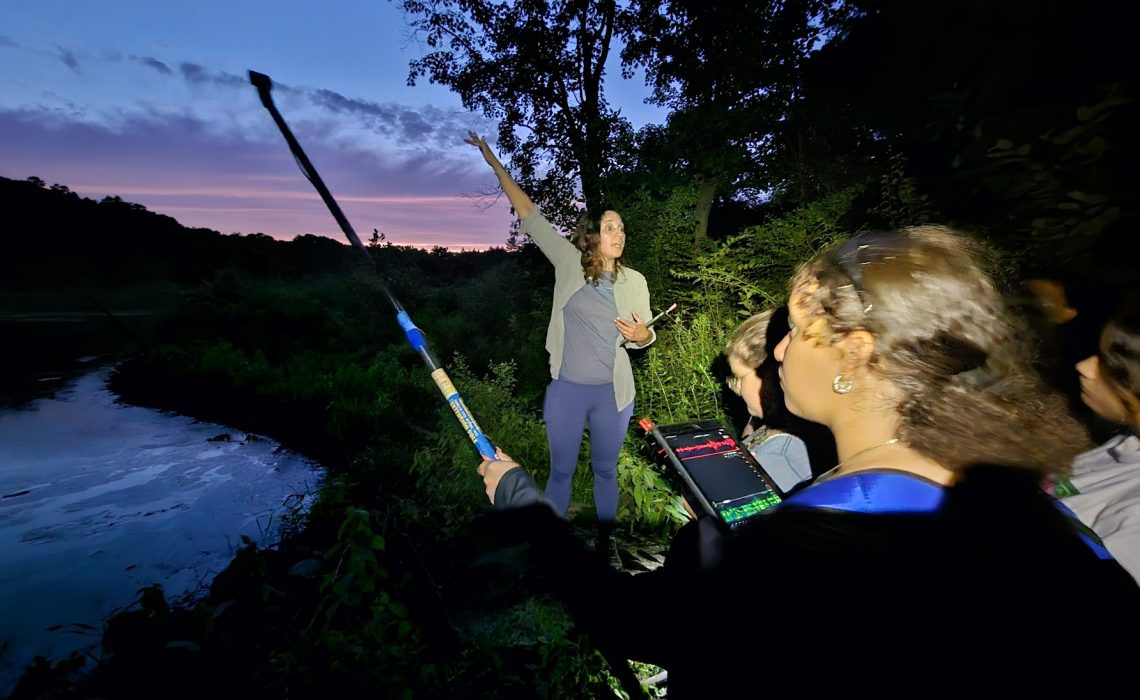
Description: The relative quiet of Connecticut forests during the day may give an impression of little biodiversity, yet there is great biodiversity. The forest comes to life at dusk as many animals have crepuscular or nocturnal habits. Joining UConn researchers in the woods at dusk, students will be introduced to our forest’s nocturnal biodiversity through acoustic monitoring for bats and through black lighting for insects.
Traditional Ecological Knowledge
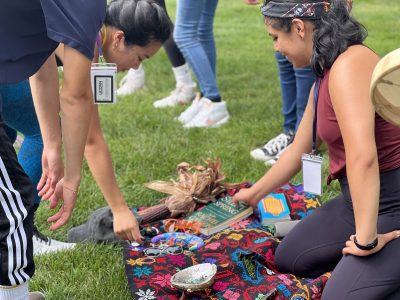
Description: At the NRCA, we recognize that most of our curriculum focuses on Western Science perspectives, science and ways of knowing. However, this is only one way of knowing and understanding our environment and world around us. Traditional ecological knowledge, or TEK for short, is a spectrum of knowledge, practice and belief about relationships between living beings and an ecosystem built upon generations of indigenous people. TEK is used as a way to guide people as land stewards, spiritual practitioners, and moral agents.

CAP At-a-Glance
280
Students
266
Schools
106
Towns
235
Projects
Instructors
Name
CAP Role
Position/Affiliation
Environmental Motto & Superpower

Laura Cisneros
(she/her/ella)
NRCA Director
Leadership Team
Associate Extension Professor
Department of Natural Resources & the Environment; Institute of the Environment
Motto: Promoting collective action for environmental conservation & cultural celebration
Superpower: Partnership forger

Shanelle Thevarajah
(she/her/hers)
NRCA Grad Mentor
Leadership Team
PhD Student
Department of Natural Resources & the Environment
Motto: Keep learning, keep evolving
Superpower: Collaboration, inclusivity, and efficiency

Violet Andrews
(she/her/hers)
NRCA Difference Maker Mentor
Leadership Team
Undergrad Student
Education & Earth Science Majors
Motto: You can never see a plant grow, but they do
Superpower: Connecting everyone to nature

Anna Hilary
(she/her/hers)
NRCA Difference Maker Mentor
Leadership Team
Undergrad Student
Environmental Science Major & Ecology & Evolutionary Biology & Urban & Community Studies Minors
Motto: The earth is what we all have in common
Superpower: Asking meaningful and thoughtful questions

Sammy Parnin
(she/her/they/them)
NRCA Difference Maker Mentor
Leadership Team
Undergrad Student
Ecology & Evolutionary Biology Major
Motto: The little things in life run the world!
Superpower: Flipping rocks to look for bugs

Juan Pineda
(he/him/his)
NRCA Difference Maker Mentor
Leadership Team
Undergrad Student
Economics & Environmental Science Majors
Motto: A sustainable future starts with us
Superpower: Collaborating and bringing everyone together
Name
CAP Role
Position/Affiliation
Environmental Motto & Superpower

Sophie Gagnon
(she/her/hers)
Water Instructor
Graduate Student
Department of Natural Resources & the Environment
Motto: Coming soon!
Superpower: Coming soon!

Darlene Kascak
(she/her/hers)
TEK Instructor
Schaghticoke Tribal Nation Storyteller & Educational Outreach Ambassador
Institute for American Indian Studies
Motto: The land gives us food, shelter, and guidance. In return, we have a responsibility to protect and care for it.
Superpower: Teaching history and Traditional Ecological Knowledge (TEK) from a Native American perspective—through story and relationship with the land as a living teacher—invites children and adults into a deeper, lived understanding of Quinnetukut’s Indigenous peoples.
Susan Scherf
(she/her/hers)
TEK Instructor
Lead Educator & Ecologist
Institute for American Indian Studies
Motto: You grow by learning
Superpower: Inspires others to create a connection to each other and their environment and to understand the role it plays in their lives
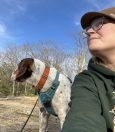
Amanda Bunce
(she/her/hers)
Forestry Instructor
PhD Student
Department of Natural Resources & the Environment
Motto: Hug trees! And also appreciate squirrels, dirt, worms, mountains, rivers, storms, people.
Superpower: Putting science stuff up in trees.
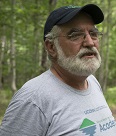
Tom Worthley
(he/him/his)
Forestry Instructor
Associate Extension Professor
Department of Extension; Department of Natural Resources & the Environment
Motto: We all live in the woods.
Superpower: I know the names of all the trees, how they grow, their ecological and morphological characteristics, where to find them, other trees with which they associate, and their wood qualities.
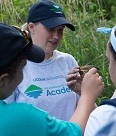
Tracy Rittenhouse
(she/her/hers)
Wildlife Instructor
Associate Professor
Department of Natural Resources & the Environment
Motto: Animals need space too.
Superpower: Ability to walk through forest at night in the rain and not get lost.
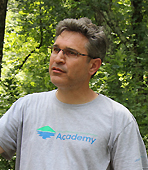
Jason Vokoun
(he/him/his)
Fisheries Instructor
Professor and Department Head
Department of Natural Resources & the Environment
Motto: A deep understanding of nature only happens when the false barrier between you and it dissolves: for me that happens most with rivers
Superpower: Similar to batman I have no superpower, rather I wield electrofishing technology in the name of conservation…

Alison Baranovic
(she/her/hers)
Wetlands & Soils Instructor
Environmental Scientist
Fuss & O’Neil
Motto: Wetlands are everywhere
Superpower: I am able to describe and categorize the soils, hydrology, and vegetation of an area to determine if it is a wetland

Katrina Menard
(she/her/hers)
Biodiversity in the Night Instructor
Invertebrate Collections Manager
Department of Ecology & Evolutionary Biology
Motto: Get dirty and engage nature
Superpower: Finding four-leaf clovers!
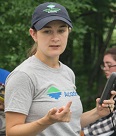
Cary Chadwick
(she/her/hers)
Geospatial Instructor
Extension Educator
Department of Extension; Center for Land Use Education & Research (CLEAR)
Motto: Maps make anything seem possible
Superpower: Telling you where you’ve been, where you are going, and where your headed…with maps!

Mayra Rodriguez Gonzalez
(she/her/hers)
Drone Instructor
Assistant Extension Educator
Urban and Community Forestry Program, Research on Resilient Cities, Racism and Equity, Department of Extension
Motto: We all deserve to live in a healthy and resilient environment.
Superpower: Great at building relationships.

Chandi Witharana
(he/him/his)
Drone Instructor
Assistant Professor
Department of Natural Resources & the Environment
Motto: Think Spatially
Superpower: Sense Remotely

CAP Program Resources
★ Get Ready for CAP!

Your CAP GuidebookStart here for essential program information and expectations. |
The Field Experience PlanPreview your field experiences, activities, and adventures. |
Meet the People Behind CAPMeet the CAP team that will guide and support your journey. |
Your Enviro Action ProjectDiscover how you'll turn environmental learning into meaningful action. |


★ During CAP: Field Guides & Resources


★ During CAP: Environmental Action Toolkit
|
Getting Started with Your ProjectCo-develop your project with your mentor and community partner. |
|

Sharing Your ImpactShowcase your work professionally. |
|


Ready to Apply?
2027 Applications will open in Jan 2027
APPLY NOW
Frequently Asked Questions
How do I apply?
High school students (grades 9, 10, or 11) need to submit a completed online application form by April 20, 2026 to be considered for the Conservation Ambassador Program. We encourage you to prepare your application responses in a text document, and then copy and paste your answers into the online form before submitting. Preparing your responses in a text document will allow you to thoughtfully reply to the questions, check for any typos or other errors, and get the contact information (e.g., email) of one adult recommender (e.g., educator, coach, counselor, mentor, current or former employer, etc.) before you submit your application.
Please note: Applications should be prepared by the student (parents, guardians or teachers should not submit an application on behalf of the student).
Applications are due April 20, 2026. If you have any questions or need assistance with the application form, please feel free to email Laura Cisneros (NRCA Director) at laura.cisneros@uconn.edu at any time.
Si tiene alguna pregunta, no dude en ponerse en contacto con la Directora de la NRCA, Laura Cisneros, en laura.cisneros@uconn.edu. Laura habla español, si prefiere comunicarse en español. También, si necesita el formulario de solicitud en español, envíe un correo electrónico a laura.cisneros@uconn.edu.
How much does it cost and what is included?
It is our goal to make the Conservation Ambassador Program (CAP) available to all students regardless of financial circumstances. Thanks to generous funding sources, the cost of CAP ranges from no cost to a reduced fee.
No Cost:
CAP is free to...
- students attending a qualifying school (i.e., Title 1 schools or schools with >50% of the student population qualifying for free/reduced lunch; check if your school qualifies here: https://nces.ed.gov/ccd/schoolsearch/)
or - students who qualify for free/reduced lunch themselves
Reduced Fee:
For students who do not meet the above requirements, CAP program fees are determined by a sliding scale that takes into account annual household income and the number of claimed dependents. Additional financial assistance may also be provided on a case by case basis. See the sliding fee scale below:
| Annual Household Adjusted Gross Income | 1 Dependent | 2 Dependents | 3+ Dependents |
| Less than $30,000 | $80 | $65 | $50 |
| $30,001-$50,000 | $164 | $132 | $100 |
| $50,001-$70,000 | $248 | $199 | $150 |
| $70,001-$90,000 | $332 | $266 | $200 |
| $90,001-$110,000 | $416 | $333 | $250 |
| $110,001 and up | $500 | $400 | $300 |
Environmental Action Project Stipends:
Thanks to a Giving Day campaign, we are able to provide need-based stipends to a subset of CAP students! This means you could get paid as you work on your environmental action projects. These stipends will be awarded based on financial need.
What We Provide to All CAP Students:
- Field experience activity supplies
- Field experience food and lodging
- Field experience transportation
- Community project guidance and multi-layered mentorship for 9 months
- Some field equipment supplies for community project
- Conference registration fees for student, community partner and one adult and poster printing
If you have any questions, please feel free to email Laura Cisneros (NRCA Director) at laura.cisneros@uconn.edu at any time.
Where and when is the summer field experience held?
Where:
The field experience is held at the University of Connecticut’s Storrs Campus. During the one-week training experience in June, students will stay in college dorms and eat in the dining halls. With the 2,100 acre UConn Forest as a classroom, students will explore various components of the natural environment, as well as nearby lakes, streams, and wetlands.
CAP students will stay in a residence hall with gender-separated floors of the building or on separate floor wings, and will have gender-separated and gender-neutral bathrooms and shower rooms. All CAP students will share common areas of the residence hall for meetings and activities. At check-in, CAP students will learn which dorm room they will be staying in. The graduate student and Difference Maker Mentor staff will stay in the dorms to supervise CAP students.
Directions: Details on where to go for check-in and pick-up will be provided in enrollment materials.
When:
- Check-in: June 21, 2026 (Sunday) between 11:00 a.m. to 12 p.m. outside resident hall (details and directions to specific resident hall included in enrollment material)
- Pick-up: On June 27, 2026 (Saturday), families and friends of CAP students are invited to attend the field experience closing ceremony at 9:00 a.m. (details and directions to specific location provided in enrollment materials). Check-out of the dorm will follow the closing ceremony.
What is a typical day like?
Typical Day at the CAP Field Experience:
| Time of Day | Activity |
| 7:00-8:00 | Breakfast |
| 8:00-8:15 | Community Check-in & Orientation of Day's Events |
| 8:15-12:00 | Field Activities |
| 12:00-1:00 | Lunch |
| 1:00-5:00 | Field/Lab/Computer Activities |
| 5:00-7:00 | Dinner & Break |
| 7:00-10:00 | Evening Fun Activities with Staff (e.g., BBQs, lake swimming, campfires, and more!) |
CAP Field Experience At-A-Glance:

What should or should I not bring?
Items to Bring:
Each day will be packed with fun activities! You should expect to spend a lot of the day outdoors and being active, including walking and hiking throughout the day. Also, keep in mind the potential for variable weather. When packing, choose items that can get dirty, are comfortable, and provide appropriate cover for walking through forests. We suggest the following:
Clothing: Comfortable, casual clothing is appropriate for most sites and activities. Please remember that you will be working with university professionals – we encourage you to dress in a manner that is respectful to students and staff members. Also, please keep in mind the potential for variable weather and for varied temperatures within buildings (e.g., it might be hot outside but cold in an air-conditioned building). We encourage you to bring extra clothes for times when you get dirty and would like to change during the day. Please consider the following suggestions and site-specific expectations for clothing items:
- Sneakers/hiking shoes (comfortable close-toed shoes that are good for doing a lot of walking and can get muddy)
- Water shoes
- Sandals for shower (optional)
- Hat
- Swimsuit
- Clothes appropriate for outdoor activity and fieldwork (clothing that can get dirty)
- 7+ pairs of field pants
- 3+ pairs of field shorts (you will wear pants more often than shorts)
- 7+ t-shirts (shirts should cover your stomach, no crop tops for safety)
- 3+ long sleeve shirts
- 1+ sweatshirt(s)
- Comfortable clothes for indoor activities to change into after field activities
- Rain coat
- One nice outfit for the closing ceremony presentation
Personal Items:
- Toiletries (toothbrush, toothpaste, soap, shampoo, conditioner, etc.)
- Sunglasses
- Sunscreen
- Bug repellant
- Medications (labeled)
- Extra set of contacts/glasses
- Towel for lake swimming
- Shower caddie (optional)
Other Items:
- Water bottle
- Backpack
- Pens/pencils
- Notebook/paper
- Laptop
- Headlamp/flashlight
- Laundry detergent (optional)
- Alarm clock (optional)
- Camera (optional)
- Fan (rooms will not have A/C; strongly recommended)
Please note that while the program does not prohibit students from bringing cell phones, they are to be used in an appropriate setting (i.e., in dorm rooms in the evening after daily activities) and maintained by the student. Students will not be allowed to use these devices during daily activities. Neither the NRCA nor UConn is responsible for any lost, stolen or damaged personal items.
If you need help getting any of the suggested items above, please email Laura Cisneros (NRCA Director) at laura.cisneros@uconn.edu for assistance.
Items NOT to Bring:
Most of the housing necessities you will need are provided for you while at the field experience, including:
- Pillows/bed linens (unless you want your own pillow)
- Blankets
- Food (food and snacks will be provided)
Students are NOT permitted to bring TVs or appliances such as microwaves, refrigerators, or air conditioners. Students should leave the following items at home:
- Car/bike
- Video games
- TVs, microwave, A/C units or other appliances
What about medications, allergies, or special meal requirements?
As part of your enrollment forms (specifically the Medical History Records Form), we will ask you to indicate allergies and physical exercise limitations. Administration of medication will be the responsibility of the participant. Only bring as much medication as is reasonably needed during the week. Medical kits, supplies, and certain permitted over-the-counter medications will be provided to students, if needed.
UConn routinely accommodates a wide range of special meal requirements, which you can indicate on your enrollment forms as well. We will also make sure to accommodate any food requirements for snacks and meals that occur outside of the UConn dinning halls.
Can you tell me more about the community environmental action project?
Each CAP student has the opportunity to carry out a local environmental action project. But you won't be alone! You will receive multi-layered mentorship support from an undergraduate student Difference Maker Mentor and a local community partner. You will also have extra guidance, support and resources from Dr. Laura Cisneros (NRCA Director) and a graduate student mentor.
The projects will be tailored to your unique interests and local community need. The goal is for the project to have a positive impact or benefit to your community (as identified by you and your community partner). How much time you commit to your project can be very flexible to accommodate your schedule, and you can gradually work on your project from July 2026 to April 2027.
We make every effort to support students in identifying environmental actions they are passionate about and help students identify potential community partners during and shortly after the field experience. Students are welcome to contact the Laura Cisneros (NRCA Director) at laura.cisneros@uconn.edu to chat about environmental action ideas or potential community partners.
If I’m a high school senior, how can I participate in a CAP-like program?
Unfortunately, we are unable to accept applications from students that are currently in 12th grade (planning to graduate in Spring 2026) as CAP participants need to be in high school through April 2027.
I have more questions.
Do you have more questions? Please contact Laura Cisneros (NRCA Director) at laura.cisneros@uconn.edu and she'll be happy to answer additional questions you may have!
Si tiene alguna pregunta, no dude en ponerse en contacto con la Directora de la NRCA, Laura Cisneros, en laura.cisneros@uconn.edu. Laura habla español, si prefiere comunicarse en español. También, si necesita el formulario de solicitud en español, envíe un correo electrónico a laura.cisneros@uconn.edu.
Program Funding


NRCA’s Conservation Ambassador Program (CAP) is currently supported by a generous 5-year donation from the original private family foundation, from a grant from the Community Foundation of Eastern Connecticut, and from a grant from the USDA Women & Minorities in STEM Fields (WAMS-2021-38503-34817) .
CAP began in 2011 as the result of a very generous 5-year donation from a private family foundation. Since then, the program has also been supported by the Goldring Family Foundation, the Diebold Foundation, the Peter Grayson Letz Fund for Animals and the Environment, the SURDNA Foundation, and the CT Institute for Resilience & Climate Adaptation Matching Fund Program. Intramural support for the program has come from the Department of Natural Resources & the Environment, the Institute of the Environment, the College of Agriculture, Health & Natural Resources, and the Office of the Provost.